



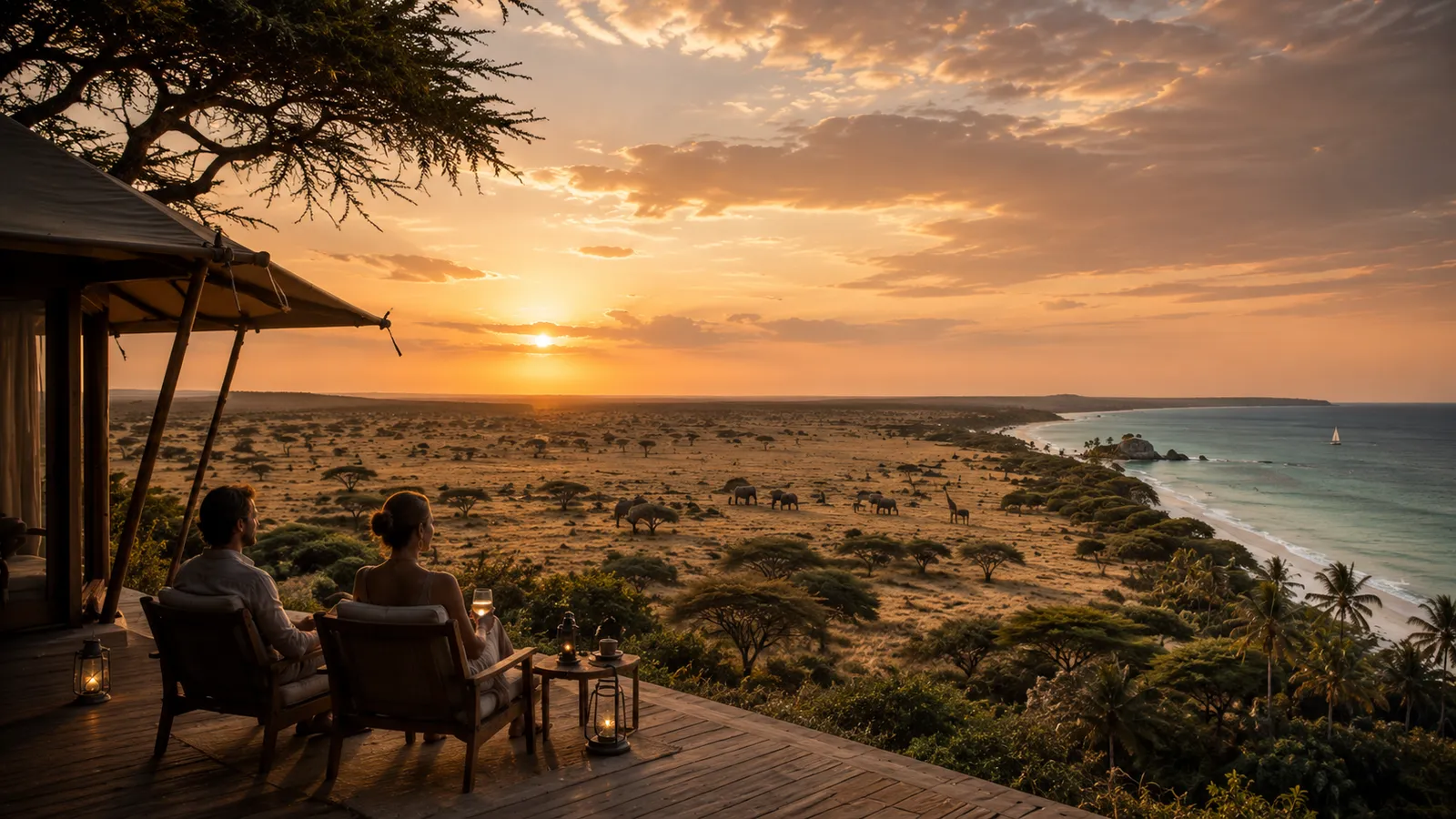
8–10 days · Private · Northern Tanzania
The Wellness Safari
The luxury is what we take out.
A safari designed around recovery rather than coverage — fewer places, longer stays, no dawn start unless you want one, and days with genuine space in them. The wilderness does most of the work.
Length
8 to 10 days
Moves
Three, at most
Starts
When you decide
Schedule
Deliberately incomplete
Keep this route
The thinking
Most safaris are exhausting and nobody says so
The standard itinerary is a dawn start, a long drive, a camp change every second day and a plan for every hour. It produces a lot of photographs and a great many people arrive home needing a holiday.
A safari already contains almost everything a restorative journey needs — silence, long horizons, early light, no signal, and a complete absence of the things that usually demand attention. What ruins it is the schedule laid on top.
So this journey mostly consists of removals: fewer camps, fewer moves, no fixed departure time, and days that are allowed to be incomplete. What is left is the thing people say afterwards was the best part of their trip.
Best for
- Travellers arriving genuinely depleted rather than merely tired
- Couples who want the wilderness without the itinerary
- Anyone who has been on a safari that felt like a schedule
- Guests recovering from a demanding year, a job change or a loss
Not for
- Travellers who measure a safari by how much they saw
- A first trip where you would regret missing the famous places
- Anyone expecting a resort spa programme — this is a wilderness journey
- Parties where one person wants full days; that pulls in the opposite direction
Straight answer
We cannot invent a spa where a camp does not have one.
Some properties have treatment rooms, therapists and proper facilities and some do not, and the ones with the best wellness offering are not always the ones in the best position for wildlife. Your planner will tell you exactly what each place on your itinerary actually has before you book.
What we design directly is the pacing: how many moves, how long the drives are, when the day starts, and how much of it is unplanned. That is the part that decides whether you go home rested, and it is entirely within our control.
You will see less wildlife than on the standard version of this route. That is the trade and it should be made deliberately.
Day by day
Eight to ten days, three places
Days 1–3
Elephant country, slowly
Straight out of the airport and into the bush rather than a night in town, then three nights in one place. Drives when you want them, a long middle to the day, and a river to sit beside. Most guests spend the first forty-eight hours sleeping considerably more than they expected to.
Signature momentThe first afternoon with genuinely nothing scheduled in it.
Days 4–5
The highlands, and cooler air
Up into the crater highlands, where the air changes and so does the sleeping. A walk in the forest above the rim if you want one, a descent into the crater if you want that, and no obligation to do either. Fires in the evening because it is cold enough to need one.
Signature momentWalking in highland forest with no particular destination.
Days 6–9
The plains, staying put
Four nights in one camp on the Serengeti, which is the single most restorative decision on this itinerary. No packing morning, no transfer day, and enough time that the place stops being a destination and starts being where you are. Drives on the mornings you feel like it.
Signature momentThe fourth morning in the same place, when you stop checking anything.
Day 10
Out, unhurried
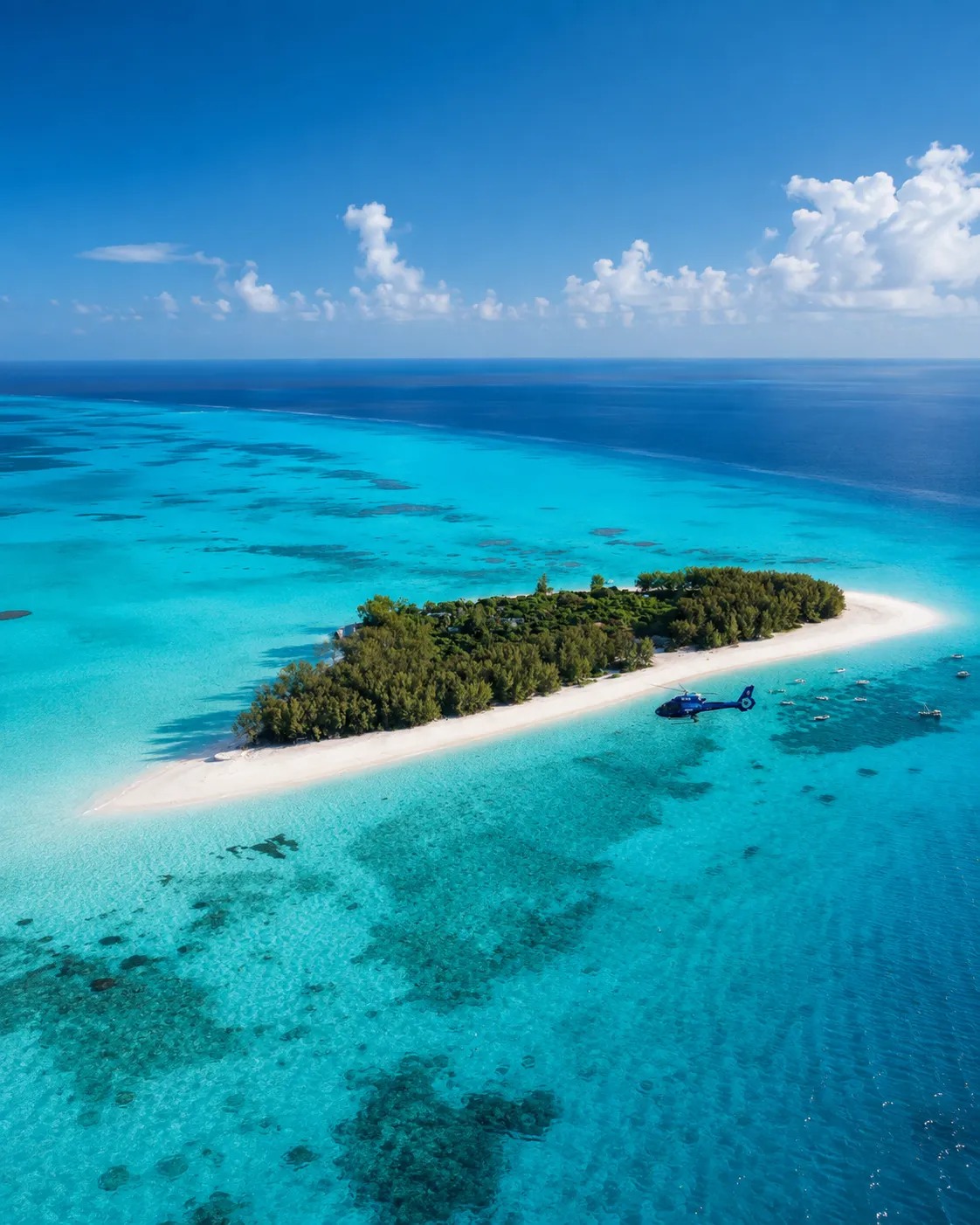
A last morning that is not a race to the airstrip, because the flights were chosen for that. Guests who add a coastal week here rather than flying straight home tend to be glad they did.
Signature momentLeaving late, which is the whole design in one detail.
Three places in ten days is the core of it and we would not add a fourth. Where a property has treatment facilities we will say so in the written itinerary rather than implying it here. A coastal week attached to the end is the most common and most sensible extension.
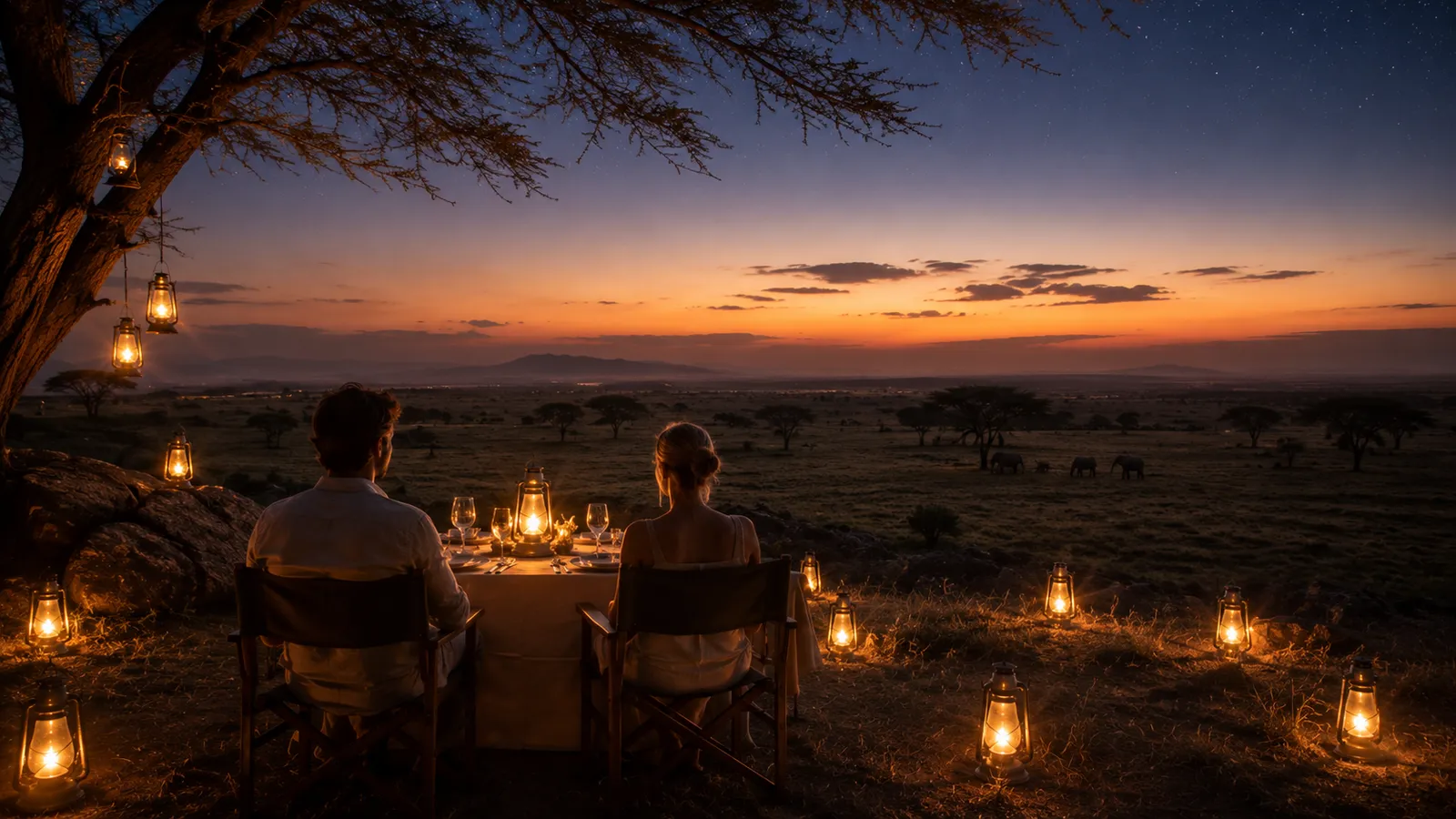
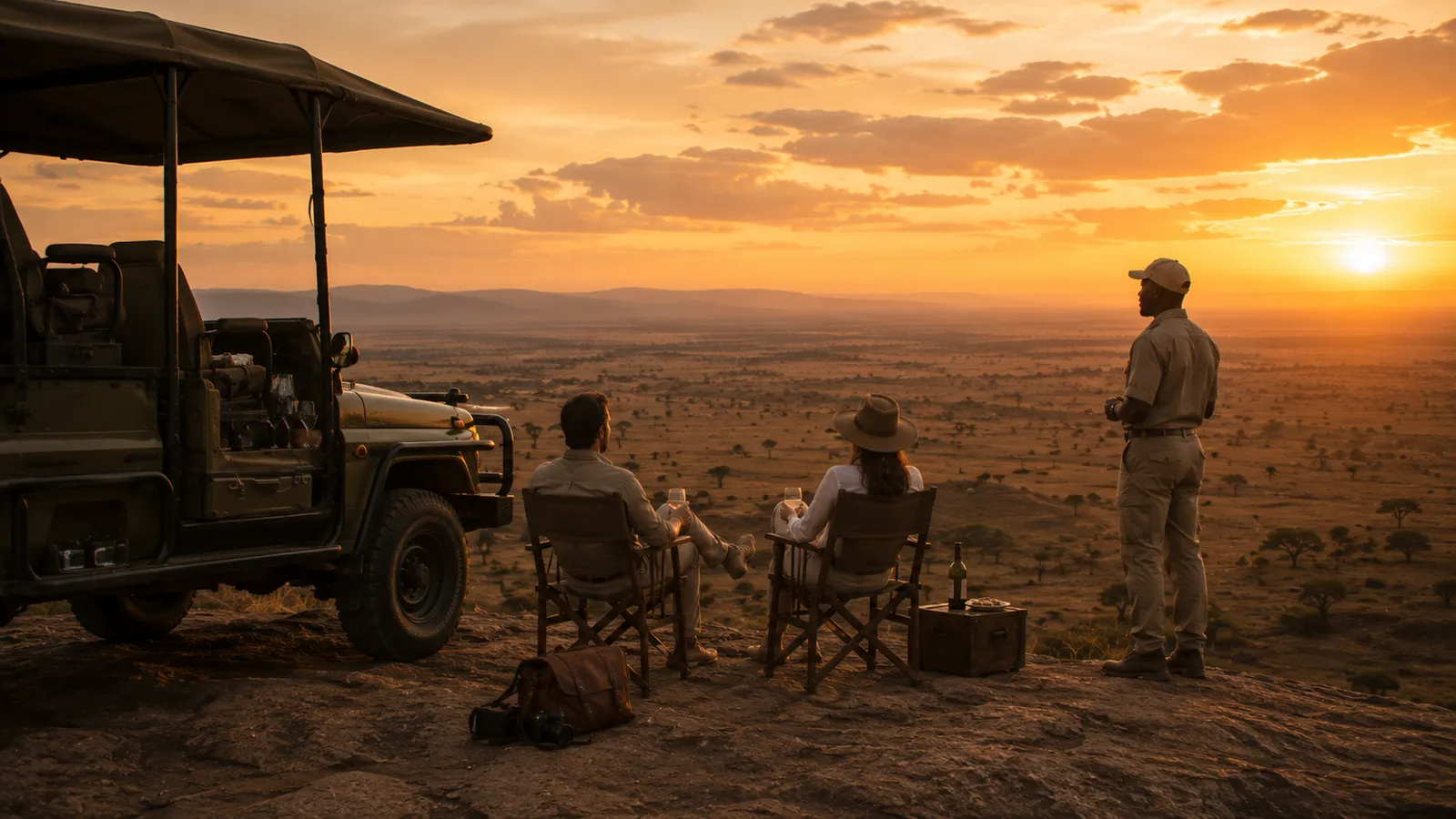
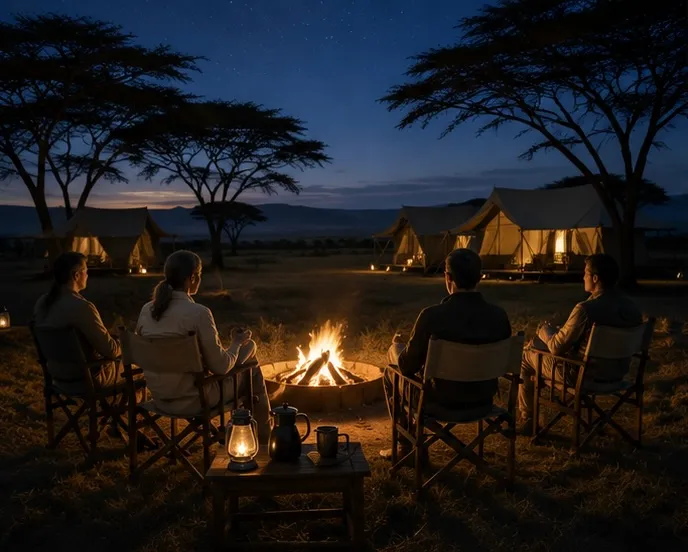
Tanzania, on the routes we run.
Included
- Private vehicle and Highland guide throughout
- Park and conservation fees for the areas on the route
- Accommodation and meals on the basis set out in your written itinerary
- Internal flights or transfers on the route
- A named planner before you travel and in-country support during it
Not included
- International flights
- Tanzanian visa and any entry requirements
- Travel and medical insurance, which we require
- Treatments and any facilities charged by the property
- Personal spending and gratuities
Nothing compulsory gets added later. If a cost appears after quoting, it is because you asked for it.
In the design
What the journey is built around
- Your own vehicle and guide, never shared, with the day starting when you decide
- Three places at most, with the longest stay at the end
- Deliberately unplanned time, protected rather than filled
- Walking where it is permitted and you want it
- Accommodation and meals on the basis set out in your written itinerary
Subject to season and to how you want the journey paced — your written itinerary is the version that counts.
Why this shape
Because we kept hearing the same sentence
Guests get to the end of a fortnight, say it was extraordinary, and then say they are shattered. Both things are usually true, and the second one is almost always a design fault rather than an inevitability.
This journey is the same country at two thirds of the pace. It costs the same or slightly more, because fewer nights in better-positioned places is not a saving, and it is the version we would book for ourselves.
Questions
Before you ask us
- Is there a spa?
- At some properties, and not at others, and the ones with the best facilities are not always the ones in the best position. Your written itinerary will state exactly what each place has rather than leaving you to assume.
- Will we see less wildlife?
- Yes. Fewer drives and fewer places means fewer sightings, and that is the trade this journey makes on purpose. If it sounds like the wrong trade, the standard route is the better booking.
- Can we still do the famous parks?
- The route runs through them. The difference is how long you stay and how much of the day is planned, not which country you are in.
- Is it cheaper than a normal safari?
- No. Fewer nights in well-positioned camps is not a saving, and the design work is the product. It sits in the same bands as the rest of the collection.
The difference
What that actually means in practice
- The schedule is the intervention
- Fewer moves, later starts, longer stays. This is the part that decides how you feel at the end, and it costs nothing to design correctly — most itineraries simply do not.
- Facilities are described, never implied
- Your written itinerary states what each property actually offers. A wellness journey built on a spa that turns out to be a massage table in a tent is a bad surprise at this price.
- A guide who does not fill silence
- Being read accurately matters more here than anywhere. We match specifically for it, because the wrong guide on this journey undoes the whole design.
Design decisions
How we built this journey
- Four nights in the final camp
- Everything before it is still travel. The fourth morning in one place is where the journey actually starts working, and most itineraries end before they reach it.
- No dawn start unless you ask
- First light is the best wildlife hour and it is not worth ten days of sleep debt. On this journey you choose, on every single day.
- Less wildlife, said out loud
- This route sees less than the standard version. Discovering that on day three is worse than being told at enquiry.
The standards behind it
What protects the experience
Where you stay
Quiet, private and slow. Distance between rooms matters here, and so does whether you can eat alone when you want to. Where a property has treatment facilities we will use them; where it does not, we will not pretend otherwise.
We do not publish a property list, because the right camp depends on your month, your route and your party. Your written proposal names the camps we recommend, the room category and why each was chosen — how we choose them.
Guided by Tanzania knowledge
A guide who is comfortable with silence and with being told that today is a reading day. The hardest thing to find in a guide is somebody who does not fill space, and it is the whole requirement on this journey.
We match a guide to the journey rather than assign one to the booking — the Highland guiding standard.
On safari
- Your own vehicle and guide, never shared with another party
- Responsible viewing distances, and a guide who will refuse a closer approach
- Guides experienced in the specific parks on your route, in the season you travel
- Emergency procedures briefed before you travel, not improvised on the day
- A named planner before you go and a duty phone answered in Moshi while you are away
Investment
What this journey usually costs, and why it moves
Private Reserve · $9,000–$16,000+ per guest
Greater privacy, strategic aviation, stronger camp positions and specialist experiences where they materially improve the journey.
- Travel month
- Migration periods, festive dates and the northern high season carry stronger demand. Shoulder and green seasons can materially reduce the price.
- Accommodation
- The largest single lever. Property, room category, meal and drink basis all change the real operating cost.
- Route and pace
- More nights in fewer places may improve the journey; remote regions cost more to reach and supply.
- Domestic aviation
- Scheduled flights and charters can buy back whole days. They are included only where the product page and confirmed proposal say so.
- Party and rooming
- Vehicle, guide and fixed logistics are divided across the party. Solo travel, single rooms, family rooms and exclusive use change the per-person figure.
- Special experiences
- Balloon flights, private dining, specialist vehicles, walking, boating and marine days are costed when they are genuinely part of the design.
A journey-level planning band, not a quote. The written proposal carries the real number for your dates, rooming, camps, fees, aviation and included experiences.
Yours, not ours
How this changes for you
- Extended with a coastal week, which is how most guests should end it
- Weighted toward walking for guests who restore by moving rather than by stopping
- Built around properties with treatment facilities, where those also suit the route
- Shortened to a week with two places rather than three
Where this journey goes
Read about the places first
- Tarangire National ParkBaobab country with a river through it — the elephant park of the northern circuit, and the one most itineraries give too little time to.
- The Ngorongoro CraterA collapsed volcano holding a self-contained ecosystem on its floor — the densest concentration of large mammals in Tanzania, and the busiest.
- The SerengetiThe plains that most people mean when they say safari — and a park large enough that where you stay in it matters more than whether you go.
Related journeys
If this one is not quite it
Design your Tanzania journey
Tell us what you imagine — the month, who is travelling and the kind of Tanzania you have in mind. Our planners shape the route, the pace and the experiences around you, and a costed day-by-day plan with named camps comes back within 48 hours.
Begin your private journeySpeak with a Tanzania specialist