



8–10 days · Private · Wildlife, communities and heritage
Conservation & Culture Journey
The Tanzania that is not wildlife.
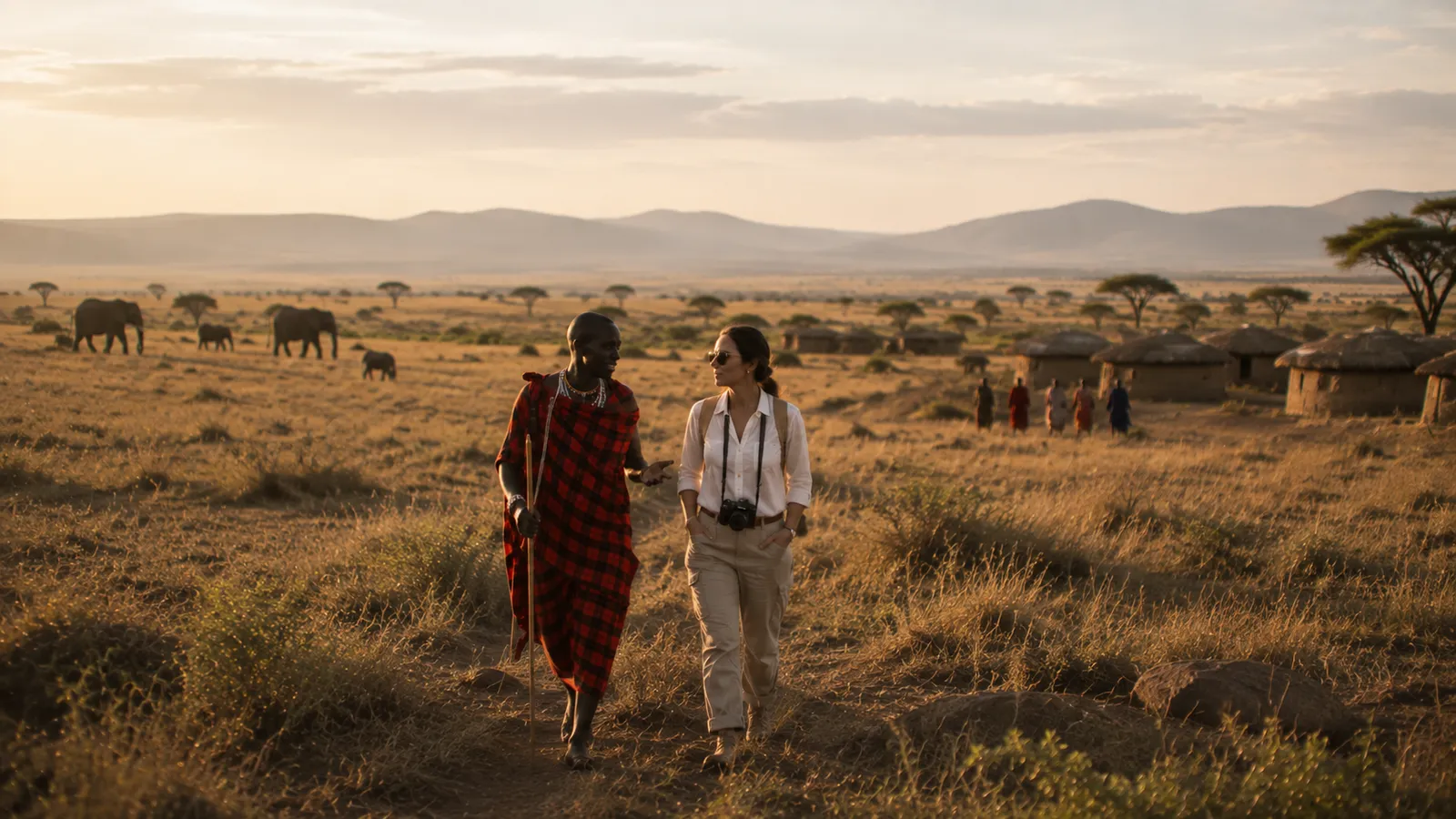
A journey through the country’s human landscape as well as its animal one, arranged so that meeting people is a conversation rather than a scheduled performance.
Length
8 to 10 days
Route
Kilimanjaro region and the north
Vehicle
Private, throughout
Balance
Wildlife, and the people around it
Keep this route
The thinking
Culture should never become a performance.
The standard version of this is a staged half hour: a dance arranged for a vehicle, a row of items to buy, photographs taken of people rather than with them. Everybody involved knows what it is, and nobody enjoys it.
The alternative is slower and less photogenic — conversation, time, a guide who can translate more than the words, and going somewhere because a relationship exists rather than because a coach stops there.
Tanzania’s landscapes have been shaped by generations of people living alongside wildlife. Understanding that makes the wildlife part better, which is the honest commercial argument as well as the ethical one.
Best for
- Travellers who want to understand a country rather than photograph it
- Families with older children, where context makes the trip land
- Repeat visitors who have already done a wildlife-only safari
- Anyone uneasy about the way cultural visits are usually sold
Not for
- Travellers who want a staged cultural performance to photograph
- Anyone expecting a fixed list of communities guaranteed in advance
- Wildlife-only travellers — half of this journey is people
- Visitors uncomfortable being asked to learn something before they arrive
Straight answer
This one depends more on relationships than on routing.
A good cultural journey is built on specific, long-standing relationships with specific communities, on terms those communities set and benefit from. It is not a category you can assemble from a map.
So this page describes how we approach it rather than promising a fixed set of encounters. Your planner will tell you exactly who you would be meeting, on what basis, and what the arrangement is — before you book, not on the day.
Day by day
Eight to ten days, at conversational pace
Days 1–2
The Kilimanjaro region
Beginning where we are based, in the country beneath the mountain, and at ground level rather than through a vehicle roof. Coffee country, the farms and the altitude that make it work, and the ordinary Tanzania that exists before anyone gets to a park gate.
Signature momentUnderstanding where the coffee actually comes from, from the people growing it.
Days 3–5
Into the northern landscapes
Wildlife days through the northern circuit, run as a proper safari rather than as scenery between cultural stops. What changes is the commentary — how the land is used, where the boundaries fall, who lives against them and what that costs on both sides.
Signature momentSeeing where a park ends and understanding what that line means.
Days 6–8
Communities and conservation
Time with communities and with conservation work, arranged through existing relationships and at a pace that allows actual conversation. The interest is in traditional knowledge, craft, how wildlife is lived with rather than visited, and what conservation looks like from the inside of it.
Signature momentA long conversation that nobody hurried, with somebody who lives there.
Which communities and which conservation projects depends on where we have established relationships for your dates, and on their willingness at the time. Your planner will name them and explain the basis before anything is confirmed — we would rather narrow the journey than stage it.
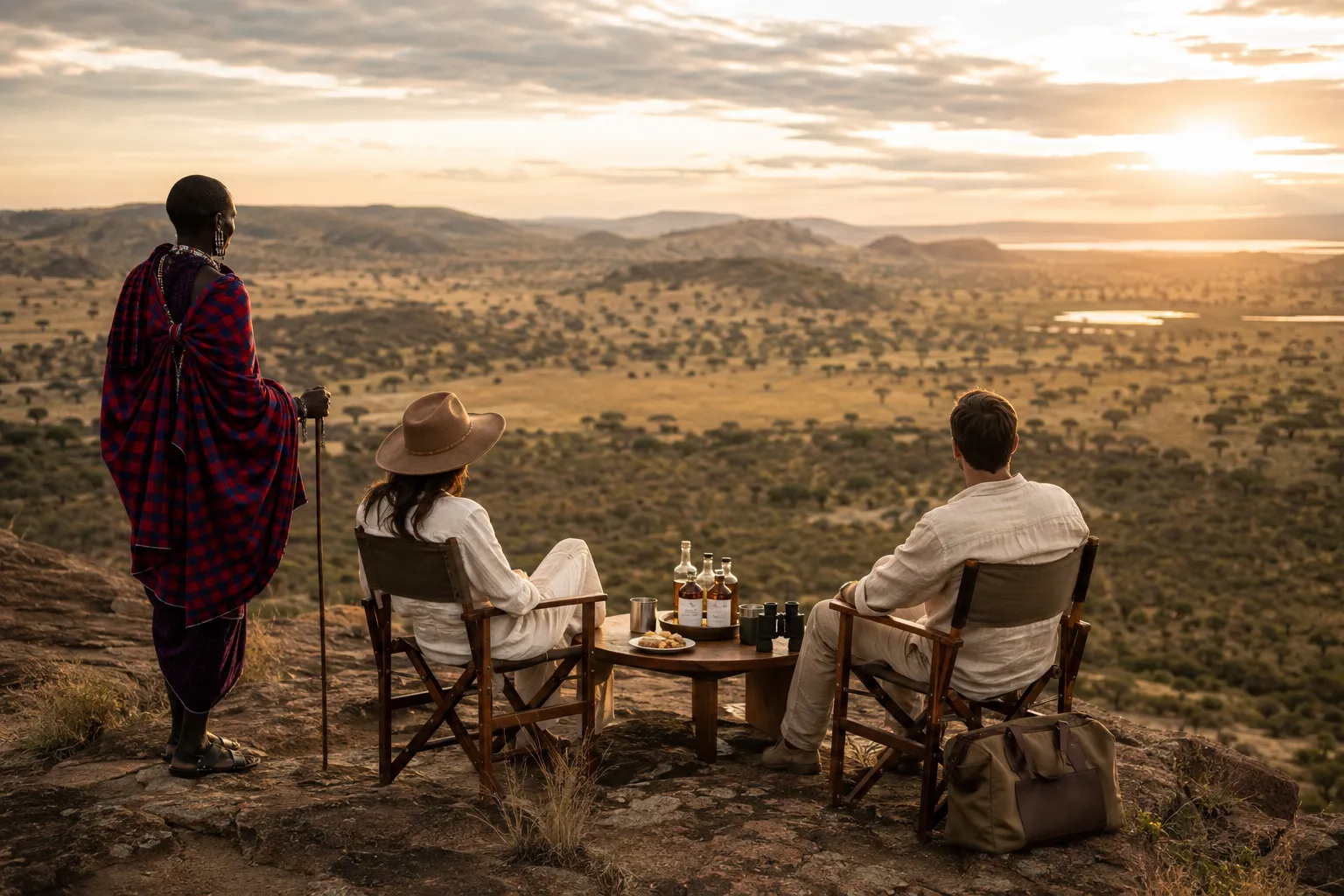
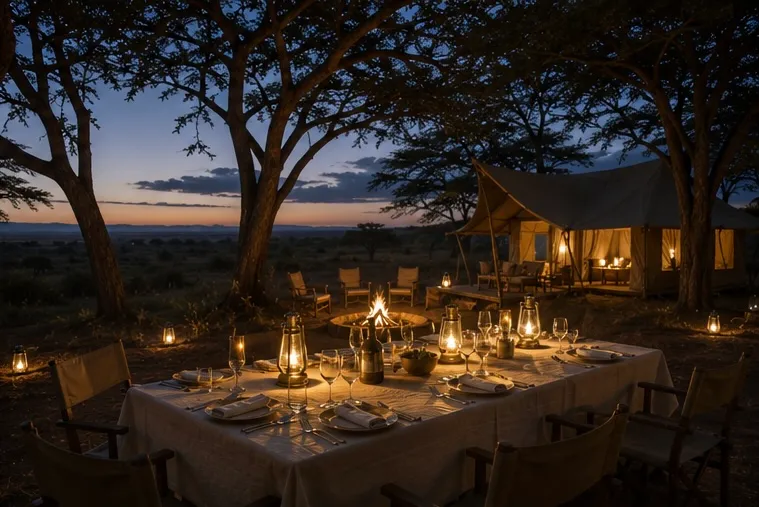
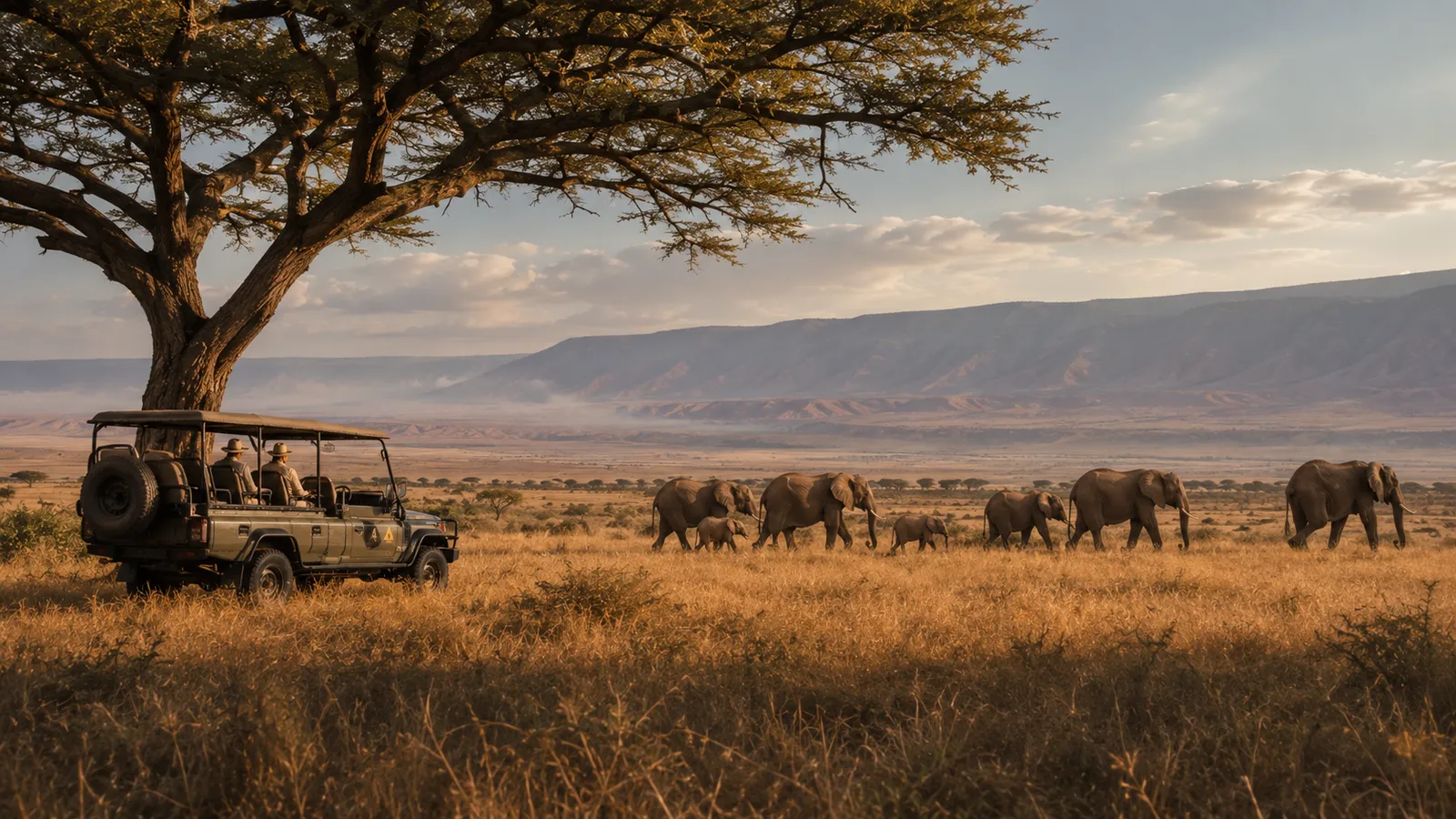
Tanzania, on the routes we run.
Included
- Private vehicle and Highland guide throughout
- Park and conservation fees for the areas on the route
- Community visits arranged and compensated through existing relationships
- Accommodation and meals on the basis set out in your written itinerary
- Arrival and departure transfers
Not included
- International flights
- Tanzanian visa and any entry requirements
- Travel and medical insurance, which we require
- Purchases of craft or goods, and personal gifts
- Personal spending and gratuities
Nothing compulsory gets added later. If a cost appears after quoting, it is because you asked for it.
In the design
What the journey is built around
- Your own vehicle and guide, never shared
- Wildlife days run as a proper safari, not as filler
- Community time arranged through existing relationships
- A guide able to interpret context, not only species
- Craft, food and traditional knowledge where hosts want to share them
- Conservation work seen from the inside where access allows
Subject to season and to how you want the journey paced — your written itinerary is the version that counts.
Why this shape
Because Tanzania is not only a place you look at
Almost every safari sells the country as scenery with animals in it. The landscapes here have been shaped for generations by people who are still living in them.
A journey that includes them honestly is a better journey. One that stages them is worse than leaving them out.
Questions
Before you ask us
- How do you avoid this becoming a staged visit?
- By going where a relationship already exists, allowing enough time for a conversation rather than a demonstration, and being willing to drop an encounter rather than arrange a performance of it. If we cannot do it properly for your dates, we will say so.
- Do the communities benefit?
- They are compensated through the arrangement your planner will explain to you before you book. We would rather set that out plainly than gesture at it.
- Is there still a real safari in this?
- Yes. The wildlife days are run as a proper safari — this is a journey with two subjects, not a cultural tour with animals attached.
- Can we take photographs?
- Ask the person, every time, and accept the answer. Your guide will help with that, and it changes the encounter for the better.
The difference
What that actually means in practice
- We go where a relationship exists
- Community time is arranged through long-standing relationships rather than by stopping where a coach stops. If we cannot do it properly for your dates, we drop it rather than stage it.
- Communities benefit directly
- Through experience fees, local guiding, buying locally and community partnerships. Your planner will explain the arrangement for your specific itinerary before you book.
- Photography is asked, never taken
- You ask the person, every time, and you accept the answer. Your guide will help with that, and it changes the encounter for the better.
Design decisions
How we built this journey
- The wildlife days are run as a real safari
- A cultural journey with token game drives serves nobody. This has two subjects, and both get proper time.
- We describe our approach rather than promise a roster
- Which communities are willing and available changes. Naming a fixed list in a brochure is how cultural tourism becomes a performance.
- Context before contact
- Understanding why a boundary falls where it does, or what a coffee altitude means, makes the meeting a conversation rather than a viewing.
The standards behind it
What protects the experience
Where you stay
Properties with genuine relationships to the areas around them, including community-linked camps where they exist. A lodge with no connection to its own landscape undercuts the point of the journey.
We do not publish a property list, because the right camp depends on your month, your route and your party. Your written proposal names the camps we recommend, the room category and why each was chosen — how we choose them.
Guided by Tanzania knowledge
A guide able to interpret people as well as wildlife — language, context and the judgement to let a conversation run past its allotted time.
We match a guide to the journey rather than assign one to the booking — the Highland guiding standard.
On safari
- Your own vehicle and guide, never shared with another party
- Responsible viewing distances, and a guide who will refuse a closer approach
- Guides experienced in the specific parks on your route, in the season you travel
- Emergency procedures briefed before you travel, not improvised on the day
- A named planner before you go and a duty phone answered in Moshi while you are away
Investment
What this journey usually costs, and why it moves
Signature Private to Private Reserve · $5,000–$9,000 per guest to $9,000–$16,000+ per guest
Private road and short-haul journeys through Tanzania’s iconic wildlife landscapes, with strong guiding and intelligent pacing.
Greater privacy, strategic aviation, stronger camp positions and specialist experiences where they materially improve the journey.
- Travel month
- Migration periods, festive dates and the northern high season carry stronger demand. Shoulder and green seasons can materially reduce the price.
- Accommodation
- The largest single lever. Property, room category, meal and drink basis all change the real operating cost.
- Route and pace
- More nights in fewer places may improve the journey; remote regions cost more to reach and supply.
- Domestic aviation
- Scheduled flights and charters can buy back whole days. They are included only where the product page and confirmed proposal say so.
- Party and rooming
- Vehicle, guide and fixed logistics are divided across the party. Solo travel, single rooms, family rooms and exclusive use change the per-person figure.
- Special experiences
- Balloon flights, private dining, specialist vehicles, walking, boating and marine days are costed when they are genuinely part of the design.
A journey-level planning band, not a quote. The written proposal carries the real number for your dates, rooming, camps, fees, aviation and included experiences.
Yours, not ours
How this changes for you
- Chagga coffee communities in the Kilimanjaro foothills
- Maasai communities where an existing relationship allows real time
- Hadzabe and Datoga encounters, arranged only where they can be done respectfully
- Swahili coastal and farming communities
- Conservation work seen from the inside, where access allows
- More or fewer wildlife days, depending on where your interest sits
Where this journey goes
Read about the places first
Related journeys
If this one is not quite it
Design your Tanzania journey
Tell us what you imagine — the month, who is travelling and the kind of Tanzania you have in mind. Our planners shape the route, the pace and the experiences around you, and a costed day-by-day plan with named camps comes back within 48 hours.
Begin your private journeySpeak with a Tanzania specialist