



The Highland standard
Decades of local knowledge. One standard.
A safari is not defined only by where you go. It is defined by who helps you understand what you are looking at, where you sleep, and whether the person making decisions on the ground has done it before. Since 2001, out of Moshi.
Guiding
More than a driver
Our reputation is not built around one person, and we do not publish guides as personalities. It is built around a standard that every journey receives — accumulated across thousands of kilometres, hundreds of guests and twenty-five years of the same roads in every season.
That knowledge becomes your advantage in small ways: knowing when to slow down, where to look, which road is worth taking, and when the best moment is not the closest animal but the most interesting one.
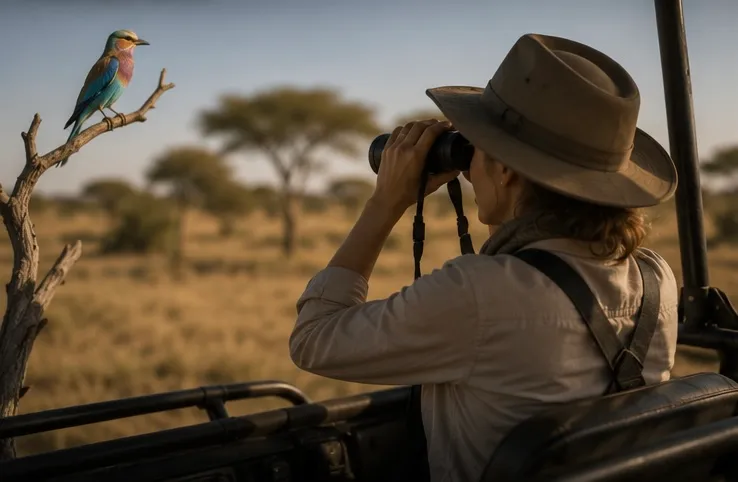
What a Highland guide is responsible for
- Wildlife interpretation
- Behaviour, patterns and how an ecosystem fits together — so that a sighting becomes something you understand rather than something you photographed.
- Journey adaptation
- Rebuilding the day around weather, animal movement, road conditions and what you turned out to be interested in. This is only possible because the vehicle is yours.
- Local knowledge
- The landscape, the history and the communities it runs through. Context is what separates a drive from a journey.
- The invisible details
- Stopping at the viewpoint rather than near it. Arriving at the crater before the vehicles from Karatu. Recognising the thirty seconds when nobody should say anything.
How we select and support them
- Experience
- A deep working knowledge of Tanzania’s ecosystems — which is not the same as having driven the roads. Knowing why the herds are where they are this month, and what that means for tomorrow morning.
- Interpretation
- The ability to explain what you are looking at, and to know when explanation is not what the moment needs. A guide who narrates a hunt through it has misjudged the room.
- Judgement
- Responsible decisions about distance, weather, road conditions and when to turn back. Most of this is invisible when it is done well, which is the point of it.
- Hospitality
- Luxury is not only the room. It is how a day feels from the inside — being read accurately, and not being managed.
- Continuous learning
- Conservation rules change, access changes, seasons move. A guide who stopped learning in 2015 is selling you a Tanzania that no longer exists.
Your guide is chosen for your journey
A family journey needs a different guiding approach from a photographic expedition or a summit attempt. When your journey is designed, your planner matches you on:
- Travel style and the pace you actually want
- What you are most interested in — wildlife, photography, culture, walking
- Language
- Previous Africa experience, and whether this is a first safari
- The specific demands of the journey: a family, a photographic expedition and a summit attempt each need a different person
Whoever leads your journey, you receive the same standard. That is deliberate — a company that depends on one named person is one resignation away from a different product.
Where you stay
Chosen around the journey, not listed in a catalogue
We do not publish a database of hundreds of properties, because that is not how this decision is best made. The right camp depends on your route, your month, your party and how you want the days to feel — so accommodation is designed with your journey rather than browsed beforehand.
What every property is judged on
- Position, before category
- A tented camp an hour from the herds beats a grand lodge three hours away. Position is the single biggest lever on how good a safari day is, and it is the one most brochures ignore.
- Seasonal placement
- The right property in July is often the wrong one in February. We place you where the wildlife is that month rather than where a contract is easiest.
- Privacy
- How far the rooms are from each other, whether the deck is overlooked, and whether dinner has to be shared. It matters more on a honeymoon and more again on a long journey.
- Atmosphere and service style
- Some properties are formal, some are barefoot. Neither is better; the wrong one for you spoils a week.
- Food
- You will eat every meal there. It is not a detail.
- Whether we would send our own family
- The final test, and the one that removes properties that pass every other check on paper.
What you receive after your enquiry
A written private journey proposal, which names:
- The camps and lodges we recommend, and the room category quoted
- Why each one was chosen — position, access, character
- What the location gives you that an alternative would not
- What to expect from the property day to day
- Preparation information for each stage of the route
Mountain standards
Kilimanjaro is not a race
A successful summit comes from preparation, experienced leadership, responsible pacing and respect for altitude. Almost nobody turns back because of the terrain — they turn back because of a decision made at booking about how many days to give it.
Before the climb
- Route consultation — which of the routes suits your fitness, your days and how much acclimatisation you want
- Preparation guidance, including realistic physical preparation in the months before
- An equipment checklist, and what can sensibly be hired rather than bought
- Itinerary planning around the climb, including recovery afterwards
On the mountain
- Acclimatisation first
- We do not design summit attempts around speed. Height is gained gradually, and the day everyone wants to cut is the one that most decides whether summit night is survivable or enjoyable.
- Daily monitoring
- Altitude effects, hydration, fatigue and weather, checked every day rather than assessed at the top. The earlier a problem is seen, the smaller the decision it requires.
- Experienced mountain leadership
- Guides working to standards in mountain leadership, altitude awareness and emergency response.
- Emergency preparedness
- Communication systems, emergency procedures, evacuation planning and first-aid readiness, briefed before you start rather than improvised.
- Porter welfare
- Ethical treatment, proper equipment and fair working standards for the crew who make the climb possible. Ask your planner for the specifics and you will get them.
We do not sell the fastest or the cheapest summit. We would rather recommend a longer route than watch someone spend a year preparing and turn back on the last night.
People, heritage and conservation
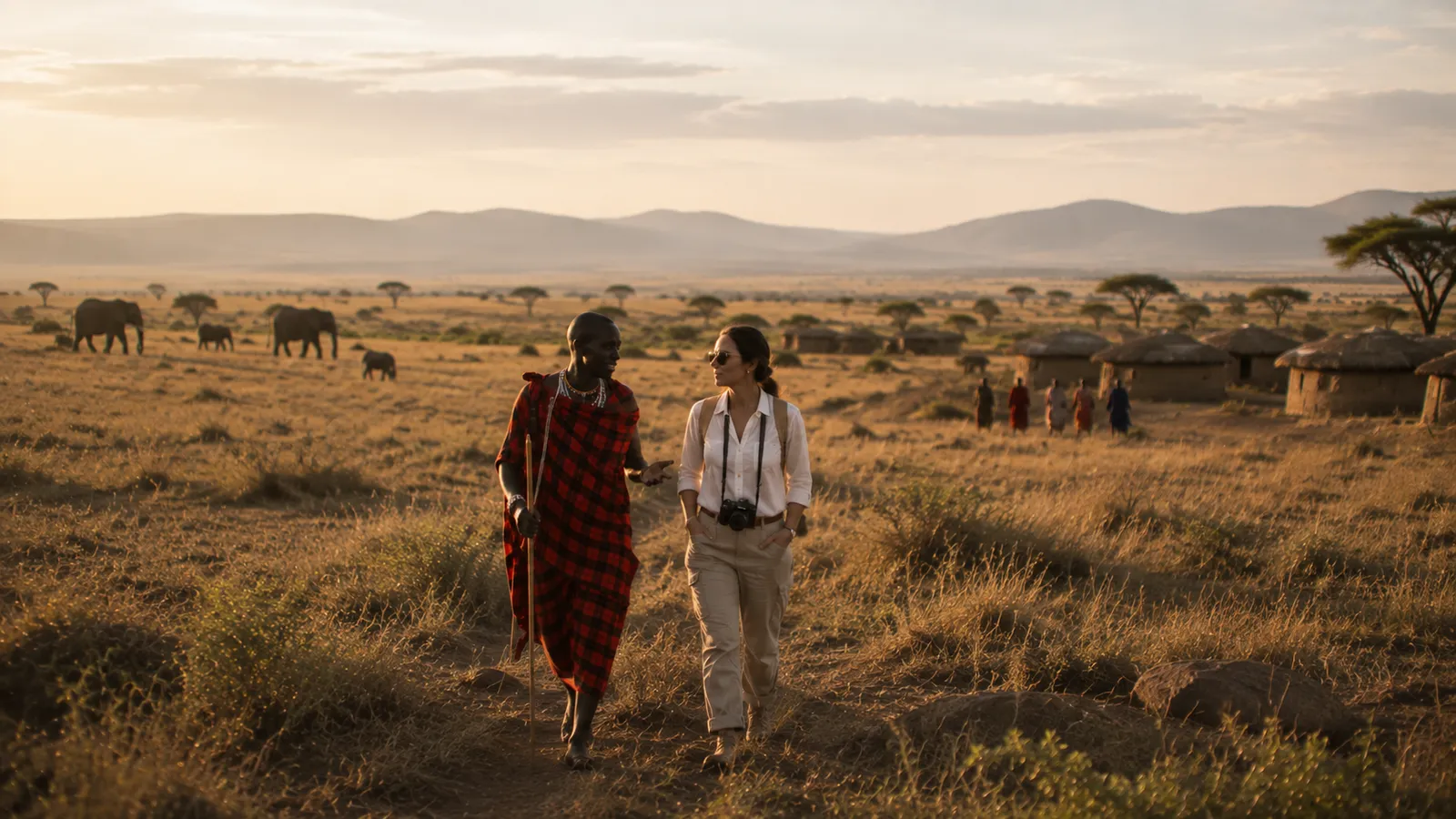
Communities are partners, not attractions
Wildlife is one part of Tanzania. The landscapes have been shaped for generations by people whose knowledge, traditions and relationship with the land continue now — Maasai, Chagga, Hadzabe, Datoga, Swahili coastal and farming communities among them.
The standard version of cultural tourism is a staged half hour that nobody involved enjoys. We would rather arrange fewer encounters, properly.
- Respect
- Communities are partners in an arrangement, not an attraction on a route. Guests are given context before they arrive, because turning up uninformed is what makes these encounters awkward for everyone.
- Consent
- Photography is asked for every time, and refusal is accepted without negotiation. Your guide will help with that, and it improves the encounter rather than limiting it.
- Benefit
- Value reaches the community directly — through local guiding, experience fees, buying locally and agreed arrangements. Your planner will explain the arrangement for your itinerary before you book.
- Honesty about limits
- Where an encounter cannot be run to this standard for your dates, we drop it rather than stage a version of it.
Investment
Understanding what a Tanzania journey costs
Each product page gives either an indicative “From” price or “Price on request.” The three bands below are journey-level planning guides, generally based on two adults sharing. The written proposal is the figure that counts, because it names the dates, properties, room categories, fees, flights and special experiences actually included.
Signature Private
$5,000–$9,000 per guest
Private road and short-haul journeys through Tanzania’s iconic wildlife landscapes, with strong guiding and intelligent pacing.
- Private vehicle and guide on the confirmed safari route
- Accommodation selected for position and fit
- Park and conservation fees stated in the written itinerary
Private Reserve
$9,000–$16,000+ per guest
Greater privacy, strategic aviation, stronger camp positions and specialist experiences where they materially improve the journey.
- Premium or remote camps chosen around the season
- Aviation where it returns meaningful time to the guest
- Balloon, walking, boat or photographic elements where specifically included
Grand & Bespoke
$14,000–$20,000+ per guest
Long-form journeys joining safari with remote wilderness, Kilimanjaro or the Indian Ocean—and bespoke work with no useful catalogue price.
- Several distinct Tanzania chapters designed as one route
- Complex domestic logistics and private transfers
- Arrangements rebuilt around the dates, party and purpose of travel
What moves a journey between them
- Travel month
- Migration periods, festive dates and the northern high season carry stronger demand. Shoulder and green seasons can materially reduce the price.
- Accommodation
- The largest single lever. Property, room category, meal and drink basis all change the real operating cost.
- Route and pace
- More nights in fewer places may improve the journey; remote regions cost more to reach and supply.
- Domestic aviation
- Scheduled flights and charters can buy back whole days. They are included only where the product page and confirmed proposal say so.
- Party and rooming
- Vehicle, guide and fixed logistics are divided across the party. Solo travel, single rooms, family rooms and exclusive use change the per-person figure.
- Special experiences
- Balloon flights, private dining, specialist vehicles, walking, boating and marine days are costed when they are genuinely part of the design.
International flights are not included. Nor is a deposit required until you are happy with the plan.