



3–5 days · Private · Northern coast
The Pangani Coast
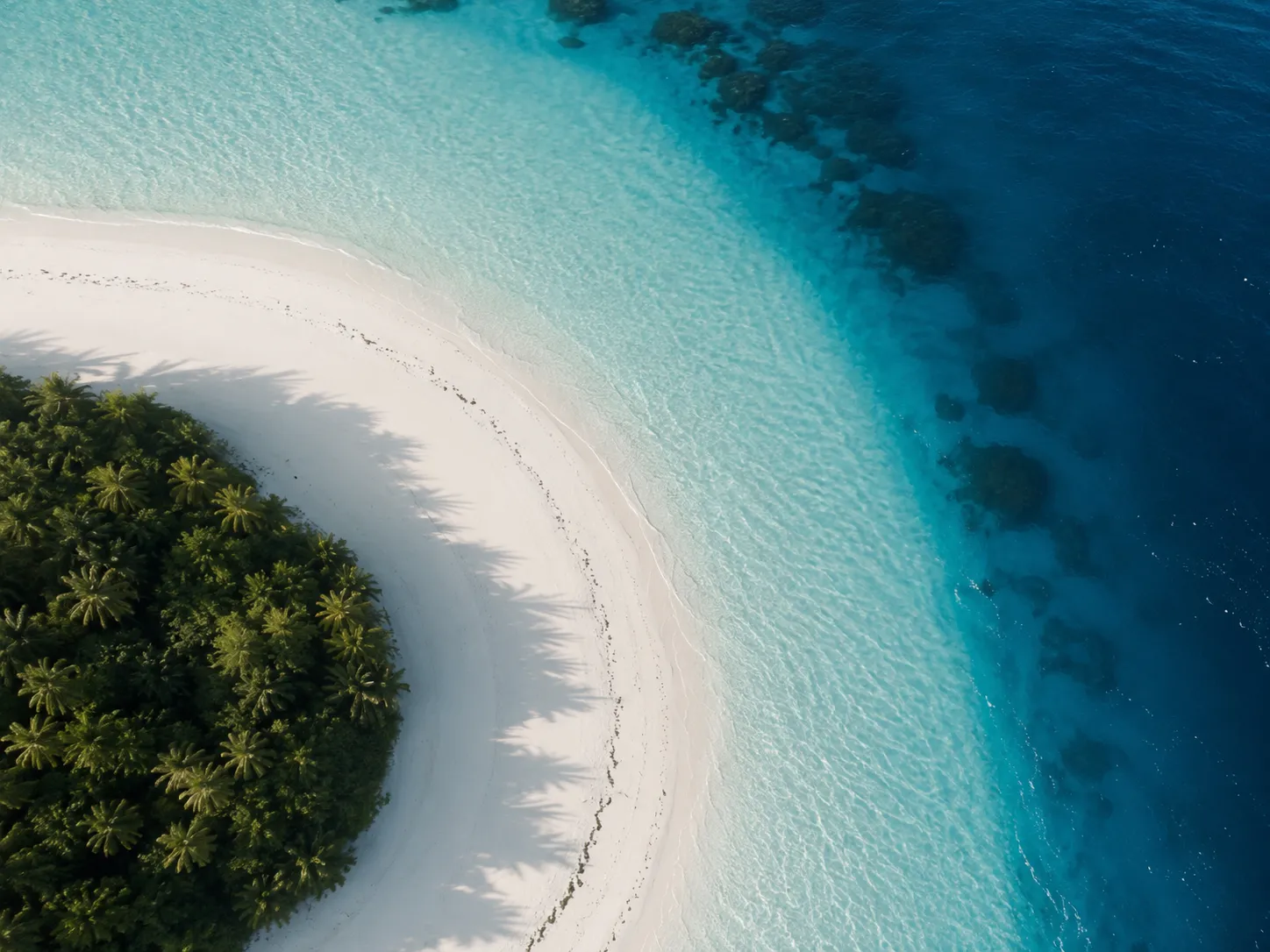
The Swahili coast with nothing built on it.
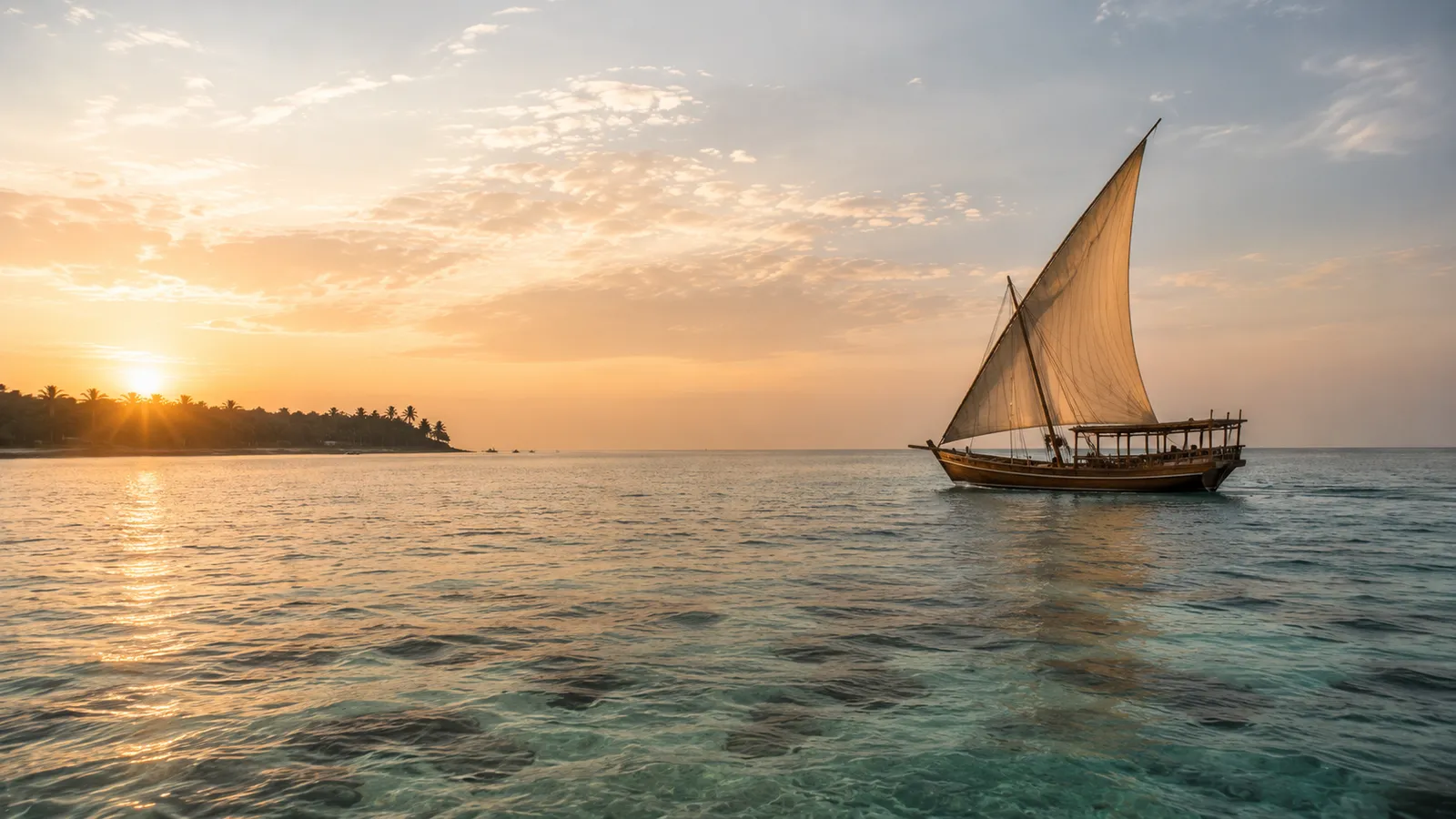
An old river-mouth port where dhows are still made by hand, with empty beaches either side of it and a tidal island offshore — the quietest stretch of coast in Tanzania, and the least sold.
Length
3 to 5 days
Where
Pangani, the northern mainland coast
Pace
Slow, and unstructured on purpose
Crowds
None to speak of
Keep this route
The thinking
A working coast, not a developed one
Pangani sits where its river meets the ocean, and it was a significant port on this coast long before anyone was flying to Zanzibar. The old town has carved doors, decaying merchant houses and layers of Swahili, Omani, German and Indian history, and hardly anyone looks at any of it.
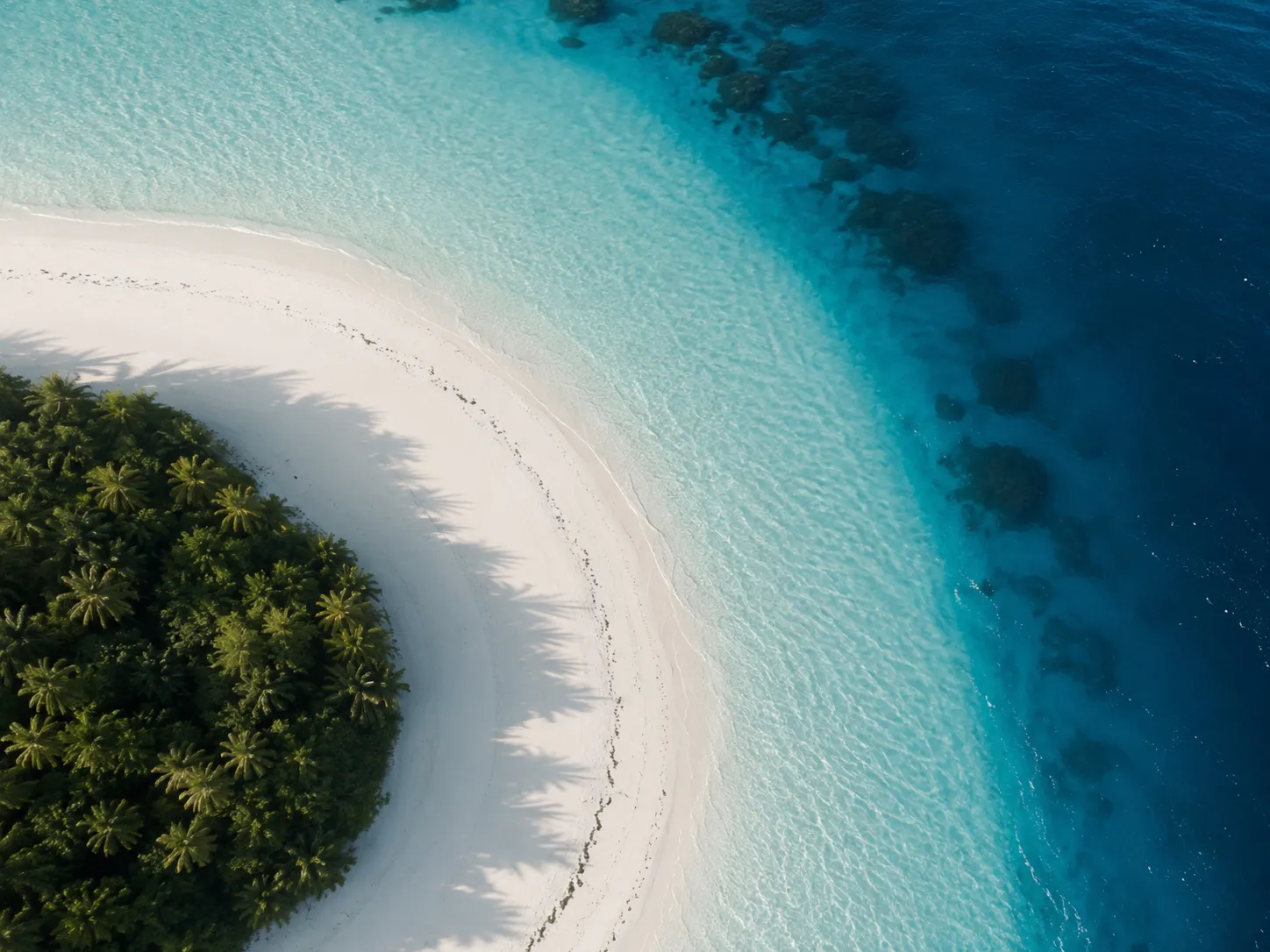
North and south of the town the shoreline is largely empty: coconut palms, sandbars, small fishing villages and long stretches of beach with nothing on them. Offshore, a sandbank island appears and disappears with the tide.
What this coast offers is quiet, and quiet is now the scarcest thing on the Indian Ocean. It is also, honestly, the thing that some guests find they do not want after two days. Both reactions are reasonable.
Best for
- Travellers who want the coast without the coastal industry
- Guests finishing a safari or a climb who want somewhere genuinely quiet
- Anyone interested in Swahili history away from Stone Town
- Couples happy with a simple room in an extraordinary position
Not for
- Guests expecting resort facilities, spas or a choice of restaurants
- Travellers who want a lively beach and things to do at night
- Anyone whose priority is world-class diving — that is Mafia
- A trip where the days need to be filled
Straight answer
There is very little here, and that is the product.
No resorts, limited dining, patchy infrastructure and long stretches of road between places. If your idea of a beach week involves choosing between restaurants, this is the wrong coast and Zanzibar is the right one.
What you get instead is a shoreline with nobody on it, a town nobody has restored, dhow builders working the way they always have, and a river that carries a completely different set of days from the ocean. For the right traveller it is the best week on this coast.
Day by day
Three to five days on a quiet shore
Day 1
Down to the river mouth
From Kilimanjaro or the Usambaras down to the coast, through sisal country and into a landscape that turns to palm as you approach the sea. Into somewhere small on the shore, and an afternoon of doing nothing in particular, which sets the tone accurately.
Signature momentArriving somewhere with no other guests and no sound but the tide.
Day 2
The town, and the boatbuilders
A morning walking the old town: the waterfront, the carved doors, the merchant houses in various states of collapse, and the layers of trade that built them. Then down to the beach where dhows are still built by hand, which is a working yard rather than a demonstration.
Signature momentA hull taking shape on the sand, built by eye.
Day 3
Up the river
Onto the Pangani River by boat and inland through mangrove and village, where the water is green and slow and the birdlife is constant. Hippo and crocodile upstream in places. It is an entirely different landscape from the beach half a mile away, and it is the part of this journey guests do not expect.
Signature momentTurning off the ocean into a river and having the temperature and the sound change completely.
Day 4
The sandbank, on the tide
Out to the tidal island offshore, which is there in the morning and gone by the afternoon — snorkelling over the reef around it, and a few hours on a piece of sand with a horizon in every direction. Back for a long, slow evening.
Signature momentAn island that exists for four hours a day, and having it to yourselves.
Day 5
Nothing scheduled
A day with no plan in it: swimming, a dhow in the afternoon, a walk along an empty beach, and dinner on the sand. Guests who booked four days generally wish they had booked five.
Signature momentRealising you have not looked at your phone since Tuesday.
Three days is enough to see the town, the river and the sandbank; five lets the place work on you properly. The sandbank depends entirely on tides, so which day it happens is decided locally rather than in the plan.


Tanzania, on the routes we run.
Included
- Private vehicle and Highland guide throughout
- Guided walking in the old town and at the boatyards
- River and sandbank boat work, tides permitting
- Accommodation and meals on the basis set out in your written itinerary
- Transfers on the route
Not included
- International flights
- Tanzanian visa and any entry requirements
- Travel and medical insurance, which we require
- Optional experiences and equipment hire
- Personal spending and gratuities
Nothing compulsory gets added later. If a cost appears after quoting, it is because you asked for it.
In the design
What the journey is built around
- Your own vehicle and Highland guide, never shared
- Guided walking in the old town and at the boatyards
- A day on the Pangani River by boat
- The offshore sandbank and reef, tides permitting
- Accommodation and meals on the basis set out in your written itinerary
Subject to season and to how you want the journey paced — your written itinerary is the version that counts.
Why this shape
Because quiet has become the luxury
Twenty years ago the argument for this coast would have been price. Now it is solitude: an empty beach on the Indian Ocean is a genuinely scarce thing, and this is one of the last stretches of it in easy reach of the north.
We do not dress it up. The rooms are simple, the town is unrestored and there is almost nothing to do. That is the offer, and the guests it suits are the ones who come back.
Questions
Before you ask us
- How does it compare to Zanzibar?
- Emptier, plainer and considerably less developed. Zanzibar has the infrastructure, the restaurants and the direct flights. Pangani has a coastline with nobody on it. Which is better depends entirely on what you want from a week.
- Is the snorkelling good?
- Good around the offshore sandbank and reef, and not the reason to come. If diving and reef are your priority, Mafia is the journey we would point you at instead.
- What is there to do?
- The town, the boatyards, the river, the sandbank, and a great deal of nothing. Guests who want a full schedule find this frustrating; guests who want to stop find it is the best part of their trip.
- How do we get there?
- Overland from the Kilimanjaro region or the Usambaras, which is why it works as the end of a longer journey rather than a standalone flight-in beach week.
The difference
What that actually means in practice
- The river is half the journey
- Every other version of this coast sells the beach. The river carries mangrove, birdlife and villages, and it is a completely different day from the ocean — so we build one around it rather than offering it as an excursion.
- We are direct about how little is here
- The guests who are disappointed by Pangani are almost always the ones who were sold a beach resort. One honest paragraph at enquiry solves that, and it is in the itinerary as well as this page.
Design decisions
How we built this journey
- A day with nothing in it
- The whole value of this coast is unstructured time. Filling every day would produce a worse version of a place that is already better than its facilities.
- The sandbank is not scheduled
- It depends on tides, which do not consult itineraries. Committing to a day would either break the plan or force a bad crossing.
The standards behind it
What protects the experience
Where you stay
Small owner-run places on the shore, most of them a long way from anything. The quality here is the location and the quiet rather than the fittings, and guests who understand that in advance love it.
We do not publish a property list, because the right camp depends on your month, your route and your party. Your written proposal names the camps we recommend, the room category and why each was chosen — how we choose them.
Guided by Tanzania knowledge
A guide who knows the river, the town and the boat crews, and who is comfortable with a journey where a good deal of the day has no fixed plan in it.
We match a guide to the journey rather than assign one to the booking — the Highland guiding standard.
On the water
- Established operators, chosen for their record rather than their price
- Weather and tide assessed on the day; excursions moved or cancelled when they should be
- Appropriate equipment and briefing for every activity
- Responsible marine practice around reef and wildlife
On safari
- Your own vehicle and guide, never shared with another party
- Responsible viewing distances, and a guide who will refuse a closer approach
- Guides experienced in the specific parks on your route, in the season you travel
- Emergency procedures briefed before you travel, not improvised on the day
- A named planner before you go and a duty phone answered in Moshi while you are away
Investment
What this journey usually costs, and why it moves
Signature Private to Private Reserve · $5,000–$9,000 per guest to $9,000–$16,000+ per guest
Private road and short-haul journeys through Tanzania’s iconic wildlife landscapes, with strong guiding and intelligent pacing.
Greater privacy, strategic aviation, stronger camp positions and specialist experiences where they materially improve the journey.
- Travel month
- Migration periods, festive dates and the northern high season carry stronger demand. Shoulder and green seasons can materially reduce the price.
- Accommodation
- The largest single lever. Property, room category, meal and drink basis all change the real operating cost.
- Route and pace
- More nights in fewer places may improve the journey; remote regions cost more to reach and supply.
- Domestic aviation
- Scheduled flights and charters can buy back whole days. They are included only where the product page and confirmed proposal say so.
- Party and rooming
- Vehicle, guide and fixed logistics are divided across the party. Solo travel, single rooms, family rooms and exclusive use change the per-person figure.
- Special experiences
- Balloon flights, private dining, specialist vehicles, walking, boating and marine days are costed when they are genuinely part of the design.
A journey-level planning band, not a quote. The written proposal carries the real number for your dates, rooming, camps, fees, aviation and included experiences.
Yours, not ours
How this changes for you
- Linked with the Usambaras for a mountain-and-coast journey
- Extended along the shoreline toward Saadani
- Combined with Bagamoyo for a Swahili coast heritage journey
- Built as the quiet half of a trip that starts on the northern circuit
Related journeys
If this one is not quite it


Design your Tanzania journey
Tell us what you imagine — the month, who is travelling and the kind of Tanzania you have in mind. Our planners shape the route, the pace and the experiences around you, and a costed day-by-day plan with named camps comes back within 48 hours.
Begin your private journeySpeak with a Tanzania specialist