



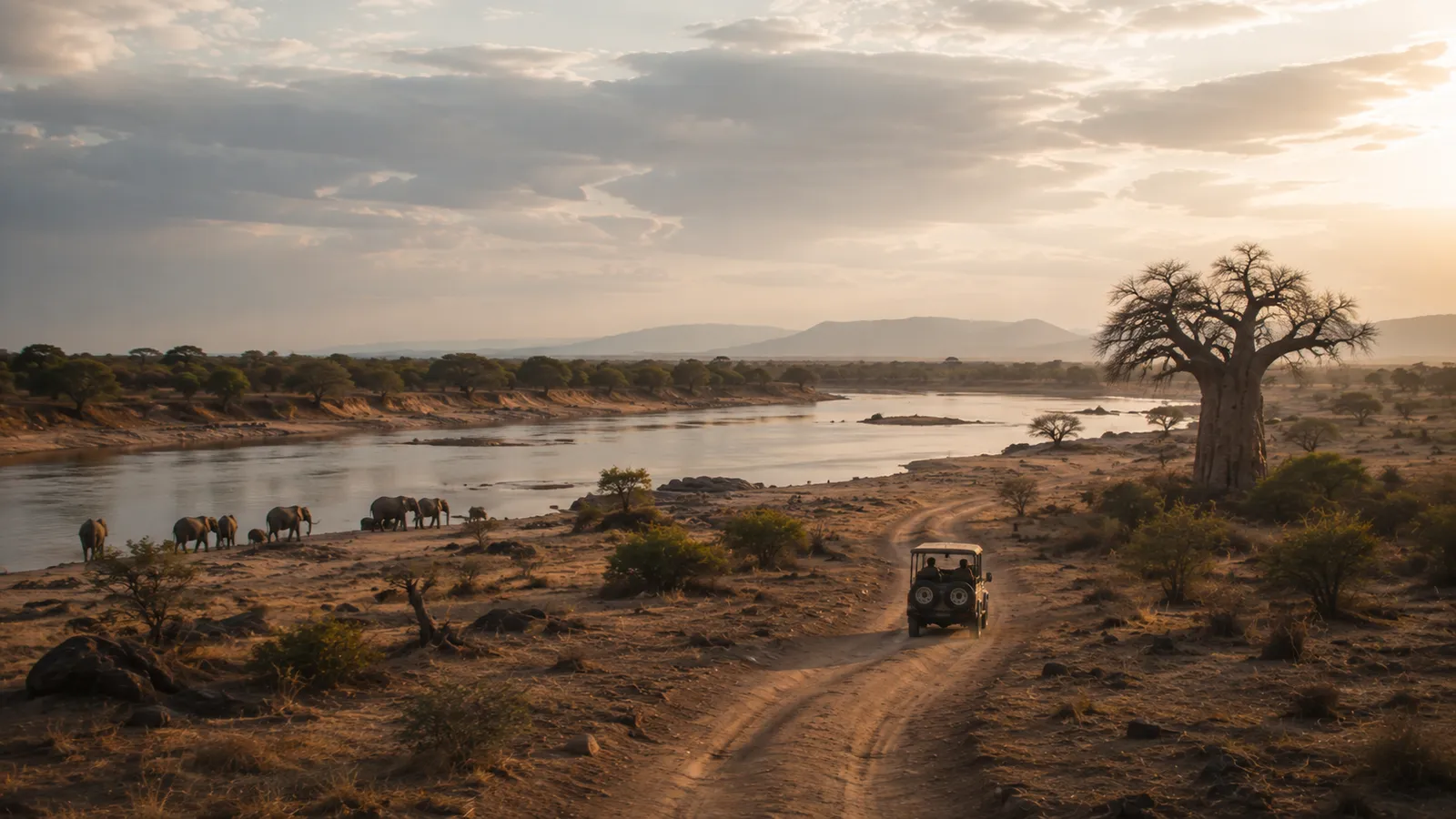
2 days · Private · Lake Eyasi
Hadzabe & Datoga
Not a performance. A conversation.
Two mornings in the country south of the crater highlands with communities who have lived very differently from each other for a long time — arranged on their terms, with consent asked every time and refusal accepted without discussion.
Length
2 days
Where
Lake Eyasi, below the highlands
Timing
First light — the only hour it works
Photography
Only where it is welcomed
Keep this route
The thinking
The standard version of this is bad for everybody
Cultural tourism around Eyasi has a template: a vehicle arrives late in the morning, a short performance is put on, cameras go up, money changes hands and everyone leaves slightly embarrassed. It is not good for guests and it is considerably worse for the communities involved.
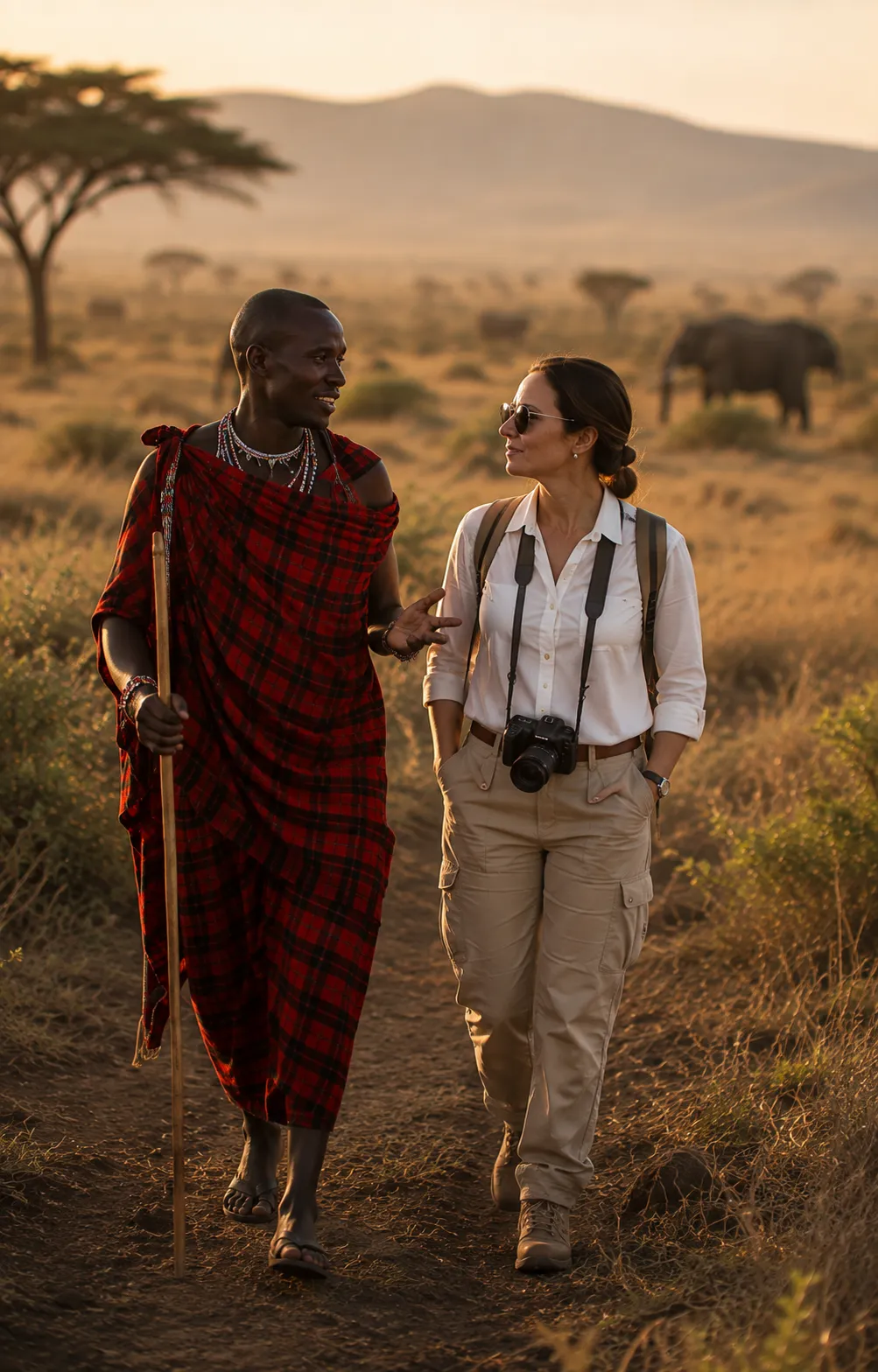
The alternative is not complicated. Go at the hour when people are actually doing something. Bring a translator so it can be a conversation rather than a viewing. Ask before photographing, every time, and accept no. Make sure the value reaches the community directly rather than a middleman.
That produces a slower, less photogenic and much more interesting morning. Some of it is awkward. Most things worth doing are.
Best for
- Travellers genuinely interested in how other people live, not in a photograph of it
- Repeat visitors adding depth to a northern circuit they have already done
- Guests who ask questions and are comfortable with unpolished answers
- Anyone routing between the crater highlands and the Serengeti with two days to spend
Not for
- Anyone wanting a staged cultural show — we do not arrange those
- Travellers who need a guaranteed sequence of events
- Photographers whose priority is the portrait rather than the encounter
- A first-morning arrival: this needs context before it, which is why it sits inside a longer journey
Straight answer
What we will and will not arrange.
We will arrange a visit at first light, with translation, with consent asked for photography every time, and with the arrangement explained to you before you book — including how the community benefits from it.
We will not stage a hunt, script a ceremony, or promise you a particular sequence of events. If a morning cannot be run to this standard on your dates, we will tell you and take it out rather than run a version of it.
The Hadzabe and the Datoga are neighbours who live very differently — one a hunting and gathering community, the other pastoralists and metalworkers. Treating them as one "tribal experience" is the mistake most itineraries make, so the two mornings are separate and the differences are the point.
Day by day
Two mornings, and the hours between them
Day 1
Down to Eyasi, and the context first
Off the highlands into the drier country around the lake. The afternoon is preparation rather than sightseeing: your guide explains who you are going to meet tomorrow, how the two communities differ, what is appropriate, and what to do about a camera. Guests who arrive briefed have a better morning, and so does everyone else.
Signature momentThe conversation the night before, which is what makes the morning work.
Day 2
First light, with the Hadzabe
Out in the dark to be there as the day starts, because by mid-morning there is nothing to see. With a translator, so questions go both ways. What happens depends entirely on the day and on what the group is doing — and being told that in advance is part of the arrangement rather than a disclaimer.
Signature momentBeing asked a question you did not expect, and having to think about the answer.
Day 2 · later
A different economy entirely, with the Datoga
A separate visit to a Datoga homestead — pastoralists and metalworkers, with a completely different economy, language and way of holding land. Brass and iron worked from scrap, cattle at the centre of everything. Seeing both in one day is what makes each legible; either alone would flatten into "traditional".
Signature momentWatching brass poured and understanding that this is a trade, not a demonstration.
Two days is the right length and we would not sell more. It sits between the crater highlands and the Serengeti, which is where it belongs geographically and narratively. Whether a particular morning can run to our standard is confirmed before you travel.
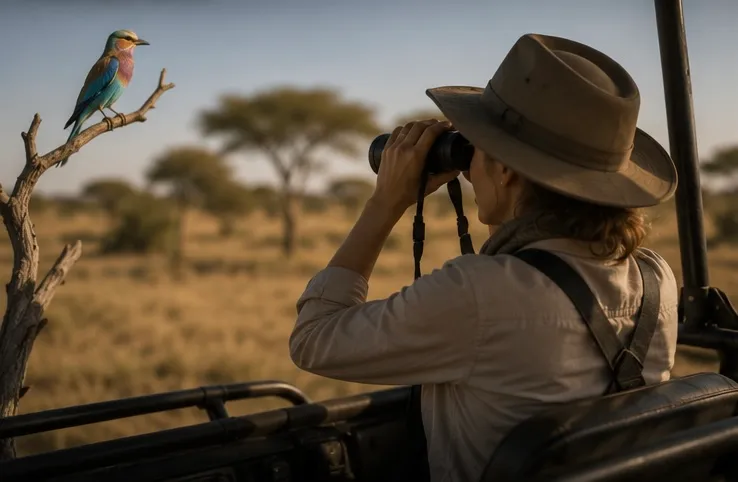
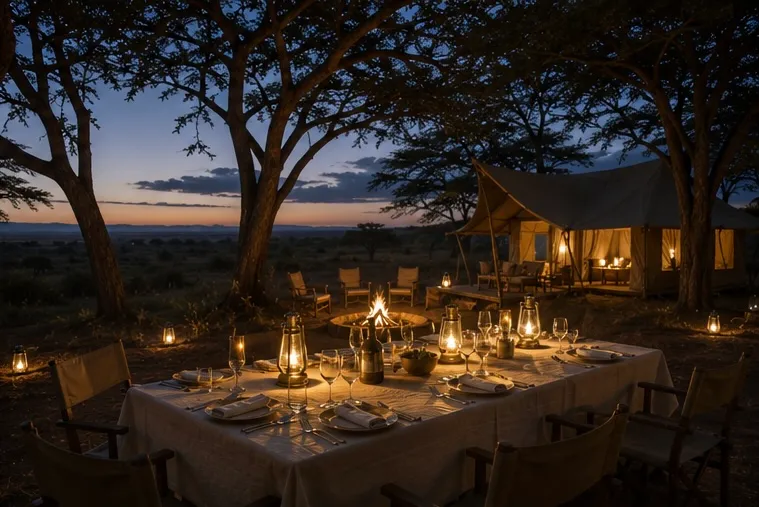
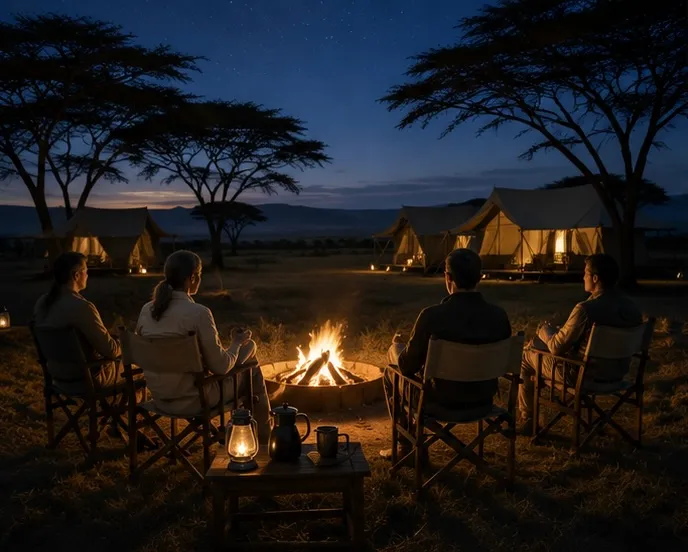
Tanzania, on the routes we run.
Included
- Private vehicle and Highland guide throughout
- Community and experience fees for the visits on the route
- Translation, and community guiding from the group you are visiting
- Accommodation and meals on the basis set out in your written itinerary
- Arrival and departure transfers
Not included
- International flights
- Tanzanian visa and any entry requirements
- Travel and medical insurance, which we require
- Personal purchases from the community, which we encourage
- Personal spending and gratuities
Nothing compulsory gets added later. If a cost appears after quoting, it is because you asked for it.
In the design
What the journey is built around
- Your own vehicle and Highland guide, never shared
- A translator, so the visit is a conversation rather than a viewing
- Community guides from the group you are visiting
- A briefing the day before on context, consent and photography
- An arrangement that returns value to the community, explained to you before you book
Subject to season and to how you want the journey paced — your written itinerary is the version that counts.
Why this shape
Because the alternative was to leave it out
For a long time the honest options looked like running the standard version or not offering it at all. Neither was right: the standard version is extractive, and leaving it out pretends that a large part of this country is not there.
What we run instead is slower, plainer and harder to photograph. It asks more of guests. It is also the only version we are willing to put our name on, and the communities involved are partners in it rather than the subject of it.
Questions
Before you ask us
- Can we photograph people?
- Where it is welcomed, and it is asked for every time rather than once on your behalf. Refusal is accepted without negotiation. Your guide will do the asking, which almost always makes the encounter better rather than more restricted.
- Is this a staged experience?
- No, and we will not arrange one. That means what happens on the morning depends on the day and on what the community is doing. If you need a guaranteed sequence of events, this is not the right journey.
- How does the community benefit?
- Through local guiding, experience fees, buying locally and the agreed arrangement for your specific itinerary. Your planner will explain how it works for your dates before you book.
- Will we see a hunt?
- We do not arrange or stage hunts. What you see is the ordinary start of a day, which varies. That is a less exciting sentence than the alternative and it is the truthful one.
The difference
What that actually means in practice
- Consent is asked every time
- Not once at the start on your behalf. Every photograph, every time, with refusal accepted and no negotiation. Your guide handles the asking, which makes it easier rather than harder.
- We go at first light
- The mid-morning visit is the one that turns into a performance, because by then the only reason anyone is there is the vehicle. Going at dawn is inconvenient and is the whole difference.
- You are told where the money goes
- Your planner explains the arrangement for your itinerary before you book — local guiding, experience fees, buying locally. Vagueness on this point is usually a sign there is nothing to describe.
- Two communities, kept separate
- The Hadzabe and Datoga are visited as two distinct mornings because they are two distinct peoples. Collapsing them into one cultural stop is the thing that makes these visits feel like a zoo.
Design decisions
How we built this journey
- No staged hunt, ever
- It is the single most requested and most damaging version of this visit. What is arranged instead is the day as it is, which is less predictable and worth considerably more.
- A briefing the evening before
- Almost everything that goes wrong on a cultural visit goes wrong because guests arrived without context and improvised. Ten minutes the night before fixes most of it.
- We will cancel rather than substitute
- If it cannot be run properly on your dates, a staged replacement is worse than nothing. You will be told, and the days will be rebuilt.
The standards behind it
What protects the experience
Where you stay
A quiet camp near the lake, close enough that the morning starts at first light rather than after an hour of driving. Simple and well-run rather than grand — an elaborate lodge would sit badly against the days themselves.
We do not publish a property list, because the right camp depends on your month, your route and your party. Your written proposal names the camps we recommend, the room category and why each was chosen — how we choose them.
Guided by Tanzania knowledge
A Highland guide working alongside a translator and community guides from the group you are visiting. The visit is theirs to lead; our guide’s job is context beforehand and honesty about what you have just seen afterwards.
We match a guide to the journey rather than assign one to the booking — the Highland guiding standard.
On safari
- Your own vehicle and guide, never shared with another party
- Responsible viewing distances, and a guide who will refuse a closer approach
- Guides experienced in the specific parks on your route, in the season you travel
- Emergency procedures briefed before you travel, not improvised on the day
- A named planner before you go and a duty phone answered in Moshi while you are away
Investment
What this journey usually costs, and why it moves
Signature Private to Private Reserve · $5,000–$9,000 per guest to $9,000–$16,000+ per guest
Private road and short-haul journeys through Tanzania’s iconic wildlife landscapes, with strong guiding and intelligent pacing.
Greater privacy, strategic aviation, stronger camp positions and specialist experiences where they materially improve the journey.
- Travel month
- Migration periods, festive dates and the northern high season carry stronger demand. Shoulder and green seasons can materially reduce the price.
- Accommodation
- The largest single lever. Property, room category, meal and drink basis all change the real operating cost.
- Route and pace
- More nights in fewer places may improve the journey; remote regions cost more to reach and supply.
- Domestic aviation
- Scheduled flights and charters can buy back whole days. They are included only where the product page and confirmed proposal say so.
- Party and rooming
- Vehicle, guide and fixed logistics are divided across the party. Solo travel, single rooms, family rooms and exclusive use change the per-person figure.
- Special experiences
- Balloon flights, private dining, specialist vehicles, walking, boating and marine days are costed when they are genuinely part of the design.
A journey-level planning band, not a quote. The written proposal carries the real number for your dates, rooming, camps, fees, aviation and included experiences.
Yours, not ours
How this changes for you
- One morning rather than two, where the days are tight
- Extended with a day in the farming country and markets around Karatu
- Routed as the link between the crater highlands and the Serengeti
- Built with more time for guests with a specific interest in language, foraging or metalwork
Related journeys
If this one is not quite it
Design your Tanzania journey
Tell us what you imagine — the month, who is travelling and the kind of Tanzania you have in mind. Our planners shape the route, the pace and the experiences around you, and a costed day-by-day plan with named camps comes back within 48 hours.
Begin your private journeySpeak with a Tanzania specialist