



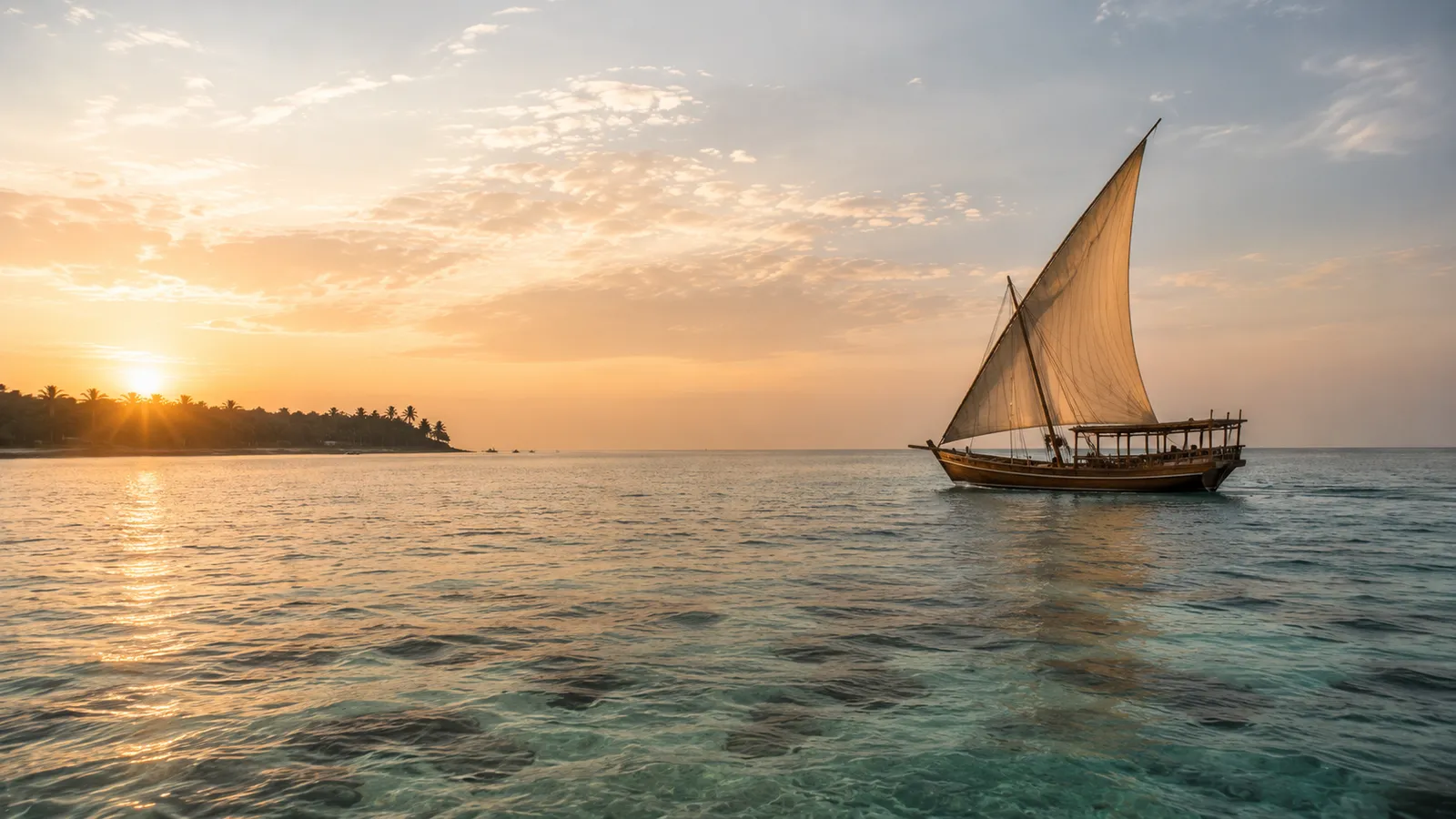
2–3 days · Private · Swahili coast
Bagamoyo Heritage Journey
The town every caravan route ended at, and almost no itinerary begins with.
A quiet old port on the mainland coast where Tanzania’s Swahili, Arab, Indian and European histories are stacked on top of each other — walked slowly, with someone who can explain what you are standing in.
Length
2 to 3 days
Where
Bagamoyo and the mainland coast
Pace
Walking, reading, sitting still
Best with
Zanzibar, or the end of a safari
Keep this route
The thinking
The end of the road, in both directions
Bagamoyo is where the caravan routes from the interior met the ocean, and where a great deal of what left this coast — ivory, goods and people — was loaded onto boats. It was later a colonial administrative centre, then a mission town, and now it is a quiet place with an art college and a fishing beach.
Almost nobody includes it. The northern circuit runs the other way, Zanzibar is a short hop from Dar es Salaam, and two days of history does not photograph like a lion. But if you want to understand why the coast and the interior feel like different countries, this is where that gets explained.
We build it slowly on purpose. It is a walking, sitting, asking-questions journey, and it works best with a day either side of it rather than squeezed between flights.
Best for
- Travellers who read about a country before they visit it
- Anyone who found Stone Town interesting and wanted more of that thread
- Repeat visitors looking for a mainland chapter that is not wildlife
- Couples who want two slow days between a safari and a flight home
Not for
- A first trip to Tanzania where wildlife is the whole reason for coming
- Travellers who want a beach holiday — this is a working coastline, not a resort strip
- Anyone expecting a restored heritage town; much of what is here is unreconstructed
Straight answer
This is a history journey, and parts of it are heavy.
The town’s significance is inseparable from the caravan and slave trades, and we do not present that as a picturesque backstory. Your guide will handle it directly, and the pace is built so there is room to stop.
Much of the built heritage is weathered and unrestored, and some of it is ruins. If you are expecting a curated heritage site, this is not that. It is a real town that happens to be standing on several centuries.
Day by day
Two to three days on the old coast
Day 1
Arrival, and the shore
Down to the coast and into somewhere quiet on the water. The afternoon is deliberately empty — a walk on the fishing beach, dhows coming in, and a first conversation with your guide about what you are going to see tomorrow and why it matters.
Signature momentThe boats coming back in at the end of the day, which has not changed much.
Day 2
The town, on foot
A morning walking the old town: the customs house and waterfront buildings, the colonial-era administration, the mission, and the streets where carved doors and Indian shopfronts sit against German masonry. Your guide works through the layers in order rather than treating them as one period.
Signature momentStanding in the old caravan terminus and understanding, finally, where the routes went.
Day 3
Kaole, and the older story
The Kaole ruins south of town — mosque foundations and pillar tombs from long before the caravan era, half taken back by baobabs. It reframes the whole coast: the Swahili world was here for centuries before anything in the town centre was built. Afternoon free, or on toward Zanzibar or the airport.
Signature momentThe pillar tombs under the baobabs, and how quiet it is.
Two days is enough for the town; three lets Kaole breathe and gives you a slow morning. It sits naturally before or after Zanzibar, and it is one of the few journeys we run that improves when you add a day of nothing.
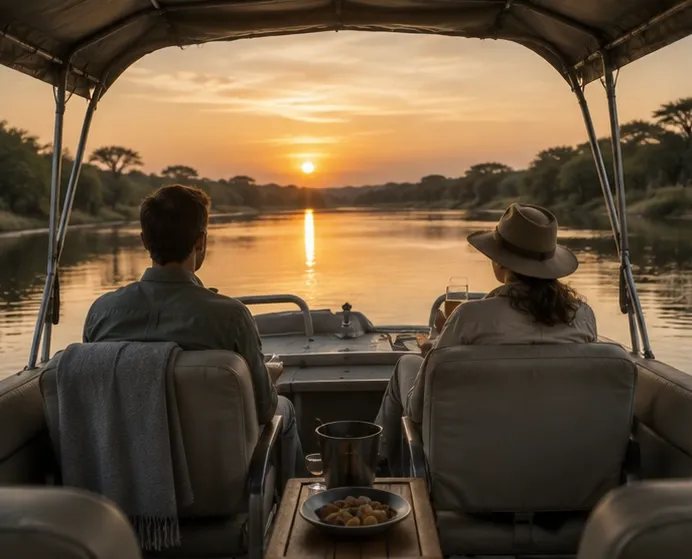
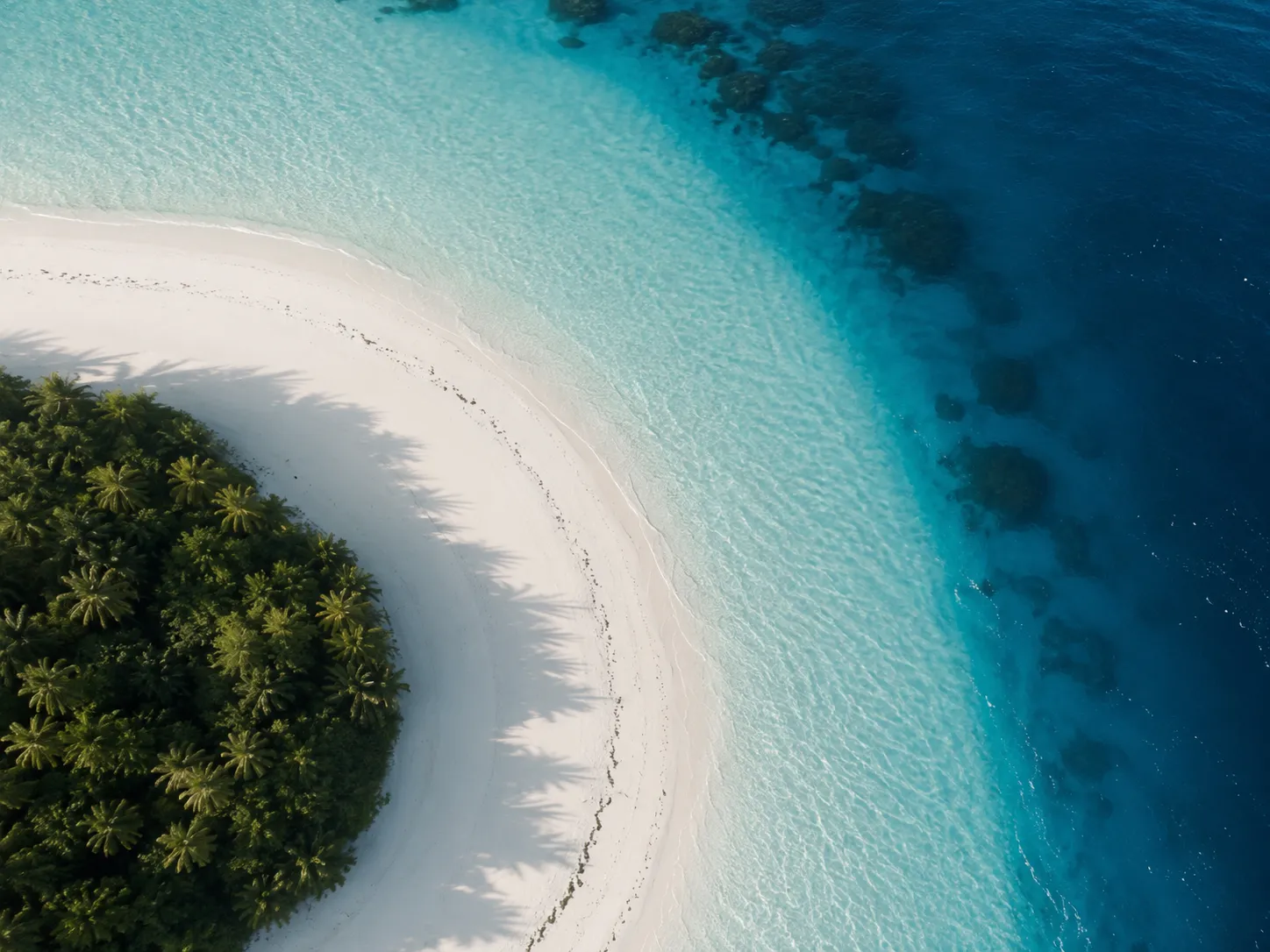

Tanzania, on the routes we run.
Included
- Private vehicle and Highland guide throughout
- Site and conservation fees for the places on the route
- Guided walking in the old town and at Kaole
- Accommodation and meals on the basis set out in your written itinerary
- Arrival and departure transfers
Not included
- International flights
- Tanzanian visa and any entry requirements
- Travel and medical insurance, which we require
- Optional experiences and personal purchases
- Personal spending and gratuities
Nothing compulsory gets added later. If a cost appears after quoting, it is because you asked for it.
In the design
What the journey is built around
- Your own vehicle and guide, never shared
- A guide working in coastal history rather than wildlife
- Guided walking in the old town, at the pace the subject deserves
- The Kaole ruins, with time rather than a stop
- Accommodation and meals on the basis set out in your written itinerary
Subject to season and to how you want the journey paced — your written itinerary is the version that counts.
Why this shape
Because a country is more than its parks
Tanzania sells itself on wildlife because wildlife sells. The result is that a great many people leave having seen the Serengeti and nothing of the civilisation on the coast that traded with Arabia, India and China for a thousand years.
This journey exists to close that gap in two days. It is not a substitute for a safari and we would never suggest it instead of one — it is the chapter that makes the rest of the trip make sense.
Questions
Before you ask us
- Is this instead of a safari?
- No, and we would talk you out of that. It is two or three days that sit alongside a wildlife journey or a Zanzibar week and explain the coast you are already on.
- How difficult is the history to be around?
- The caravan and slave trades are central to the town and to the day. Your guide will handle it directly rather than glancing off it, and the pace leaves room to stop. If you are travelling with children, tell your planner their ages and we will shape the day accordingly.
- Can we combine it with Zanzibar?
- That is the pairing we usually recommend. Bagamoyo and Stone Town are two ends of the same story, and seeing them in one trip is considerably more interesting than seeing either alone.
The difference
What that actually means in practice
- Interpreted, not toured
- The buildings do not explain themselves and most of the signage does not either. What you are paying for is somebody who can put four centuries in order while standing in them.
- We do not soften the trade
- The town’s role in the caravan and slave trades is central to the day rather than mentioned once. Handling it honestly is the only version of this journey worth running.
Design decisions
How we built this journey
- Built as two or three days, never one
- A day trip turns this into a monument checklist. The walking pace and the sitting-still afternoons are what make the history land.
- Paired with Zanzibar rather than the northern circuit
- Stone Town and Bagamoyo are two ends of one story. Seen together they explain each other; seen apart they are both just old buildings.
The standards behind it
What protects the experience
Where you stay
Somewhere on the shore rather than in the town centre, quiet enough that the evenings belong to the sea. This is a coastline of small, characterful properties rather than resorts, which is the point of coming.
We do not publish a property list, because the right camp depends on your month, your route and your party. Your written proposal names the camps we recommend, the room category and why each was chosen — how we choose them.
Guided by Tanzania knowledge
A guide who works in history rather than wildlife — someone who can hold four centuries of the coast in order and knows which of the stories told here are contested.
We match a guide to the journey rather than assign one to the booking — the Highland guiding standard.
On safari
- Your own vehicle and guide, never shared with another party
- Responsible viewing distances, and a guide who will refuse a closer approach
- Guides experienced in the specific parks on your route, in the season you travel
- Emergency procedures briefed before you travel, not improvised on the day
- A named planner before you go and a duty phone answered in Moshi while you are away
Investment
What this journey usually costs, and why it moves
Signature Private · $5,000–$9,000 per guest
Private road and short-haul journeys through Tanzania’s iconic wildlife landscapes, with strong guiding and intelligent pacing.
- Travel month
- Migration periods, festive dates and the northern high season carry stronger demand. Shoulder and green seasons can materially reduce the price.
- Accommodation
- The largest single lever. Property, room category, meal and drink basis all change the real operating cost.
- Route and pace
- More nights in fewer places may improve the journey; remote regions cost more to reach and supply.
- Domestic aviation
- Scheduled flights and charters can buy back whole days. They are included only where the product page and confirmed proposal say so.
- Party and rooming
- Vehicle, guide and fixed logistics are divided across the party. Solo travel, single rooms, family rooms and exclusive use change the per-person figure.
- Special experiences
- Balloon flights, private dining, specialist vehicles, walking, boating and marine days are costed when they are genuinely part of the design.
A journey-level planning band, not a quote. The written proposal carries the real number for your dates, rooming, camps, fees, aviation and included experiences.
Yours, not ours
How this changes for you
- Extended into a longer mainland coast journey with Pangani or Saadani
- Added to the front of a Zanzibar week, which is the pairing we usually suggest
- Built around the arts college and contemporary Tanzanian work for guests who want that
Related journeys
If this one is not quite it

Design your Tanzania journey
Tell us what you imagine — the month, who is travelling and the kind of Tanzania you have in mind. Our planners shape the route, the pace and the experiences around you, and a costed day-by-day plan with named camps comes back within 48 hours.
Begin your private journeySpeak with a Tanzania specialist