



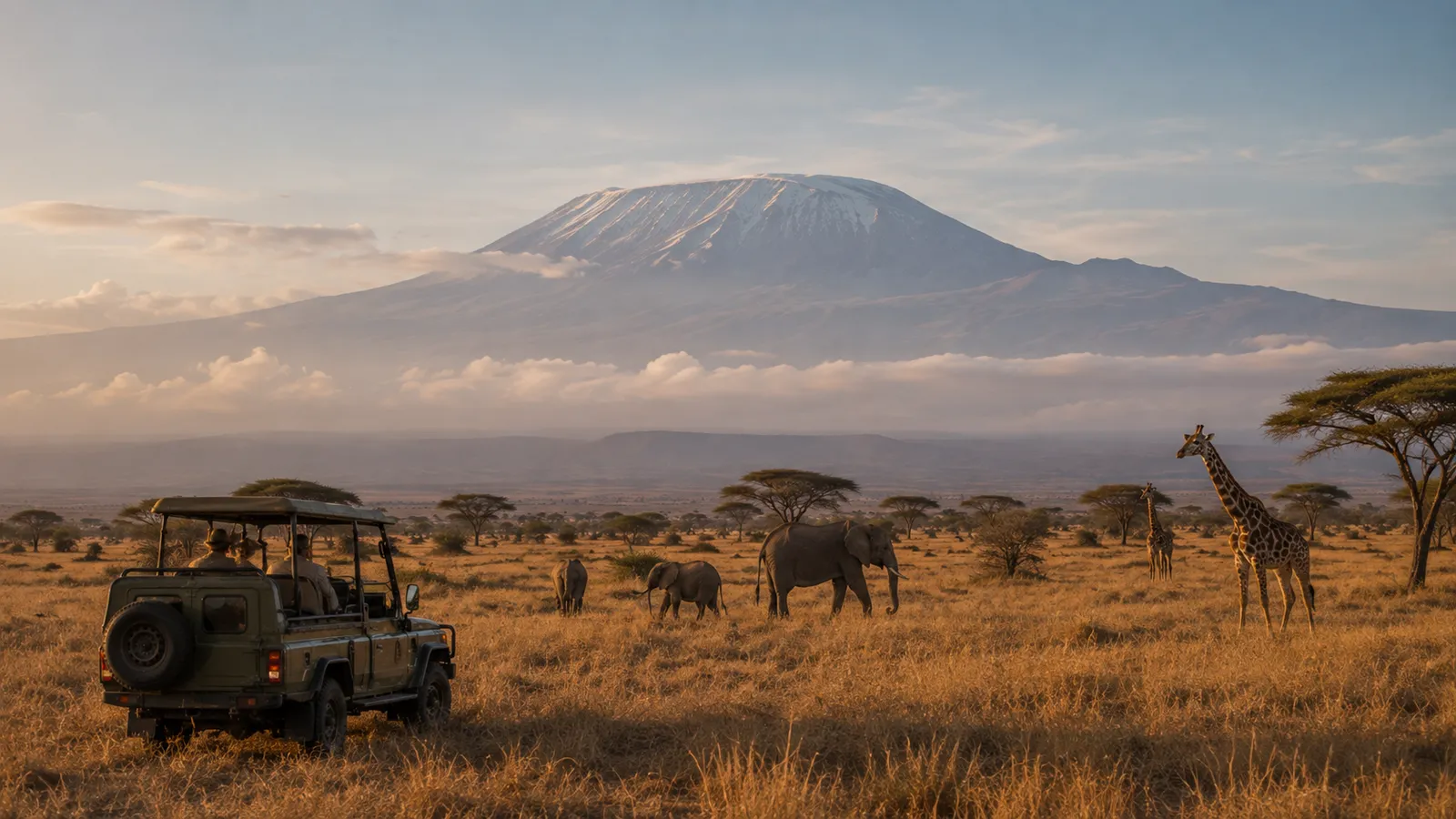
2–3 days · Private · Kilimanjaro region
Chemka & the Kilimanjaro Foothills
The country our own team goes to on a day off.
Clear spring water under fig roots, Chagga farmland on the mountain’s southern slopes, and the two or three days that turn a Kilimanjaro trip into a stay in a place.
Length
2 to 3 days
Where
The southern slopes of Kilimanjaro
Pace
Slow, and mostly outdoors
Best with
Before or after a climb
Keep this route
The thinking
The days everyone spends waiting, spent properly instead
Almost every Kilimanjaro trip contains two wasted days: one at the front for arrival and briefing, and one at the back for a shower and a certificate. Most people spend them in a hotel in Moshi.
The country immediately around that hotel is some of the loveliest in Tanzania and almost none of it is on an itinerary. Spring water rising clear enough to see the bottom of, fig roots dropped into it, coffee and banana farms stacked up the slope, and waterfalls in the folds of the mountain.
This is not a headline journey and it does not pretend to be. It is the two or three days that stop a climb feeling like an airport, a mountain and an airport.
Best for
- Anyone arriving early for Kilimanjaro, or recovering from it
- Families who want a soft, wet, unstructured day between big ones
- Travellers curious about how people actually live under the mountain
- Guests who would rather have two good days near Moshi than an extra transfer
Not for
- Travellers who want a wildlife day — there is very little of that here
- Anyone who needs a resort; the pleasure of this is deliberately simple
- A trip where every day has to earn its place with a headline sight
Straight answer
Chemka is popular, and the hour you go decides everything.
The springs are well known locally and can be busy in the middle of a weekend day. Going early, or going on the right day, is the entire difference between a beautiful place and a crowded one — and that judgement is what your guide is for.
It is spring water and it is cold. Bring a towel and be honest with yourself about whether you will actually get in, because the people who do have a much better morning than the people who watch.
Day by day
Two to three days under the mountain
Day 1
Into the foothills
Out of Moshi and up into the farmland on the southern slopes. Coffee grows here in the shade of banana, which is why the hillsides look like forest until you are in them. An afternoon walking between smallholdings with someone who can explain the farming rather than photograph it.
Signature momentCoffee picked, roasted and drunk in the same afternoon, on the mountain it came from.
Day 2
Chemka, early
Out before the day gets going, to the springs. Water rises here clear and blue-green under the roots of fig trees, and the swimming is the whole activity. There is nothing else to do, which is the reason to come. Back for a long lunch and an afternoon with no plan in it.
Signature momentThe first minute in the water, which is colder than anyone expects.
Day 3
Waterfalls and the way the mountain works
A walk into one of the valleys cut into the southern slope, where the streams that feed the whole region come down off the mountain. It is a straightforward walk with a good reward at the end, and it explains why this side of Kilimanjaro is farmed the way it is. Back to Moshi, or on to the mountain gate.
Signature momentStanding under falling water that was snow a few days ago.
Two days is the usual shape, at the front of a climb or the back of one. Three is worth it if you are arriving jet-lagged, because the walking is gentle and the altitude is kind. Which valley and which day we go to the springs depends on the week you travel.
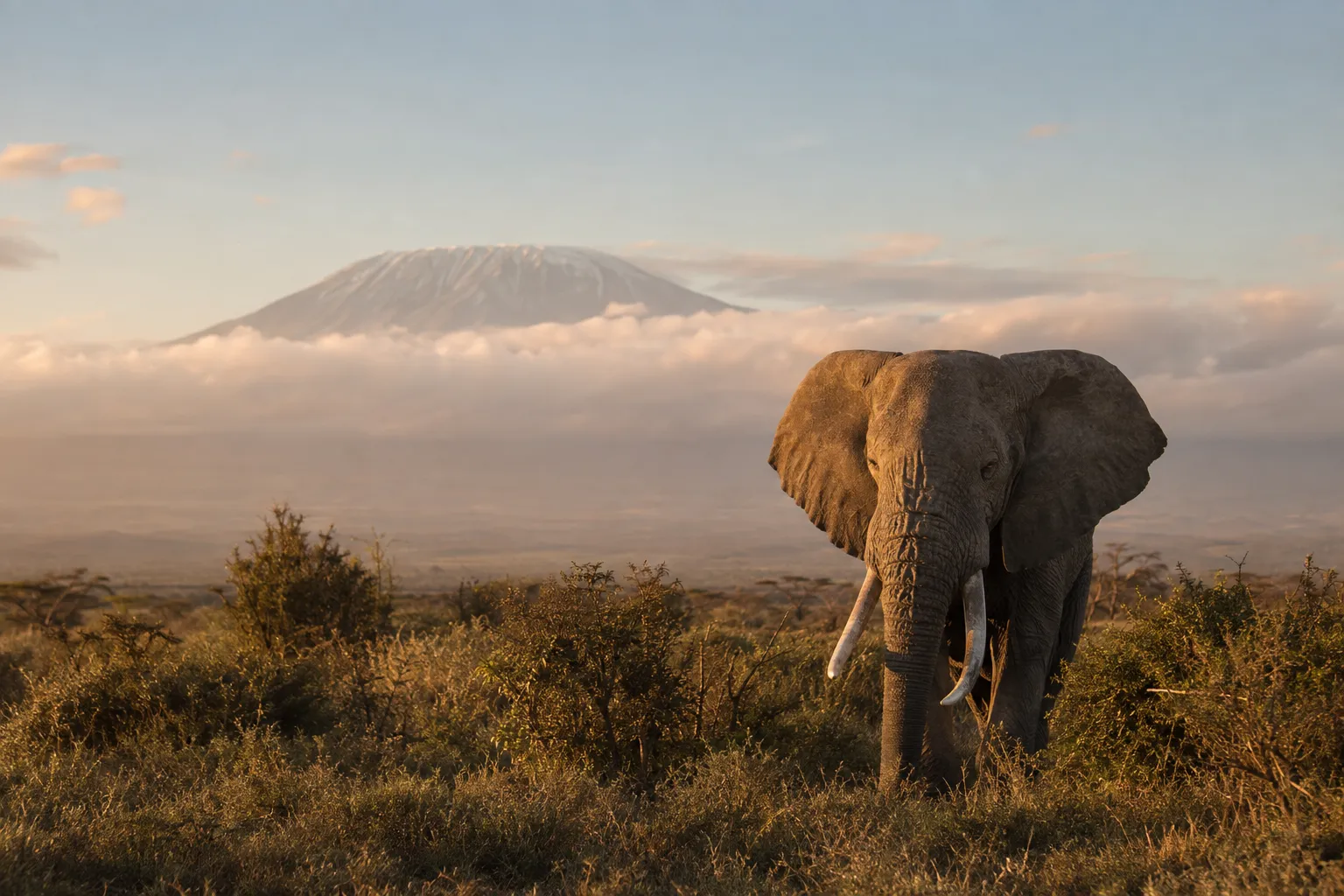
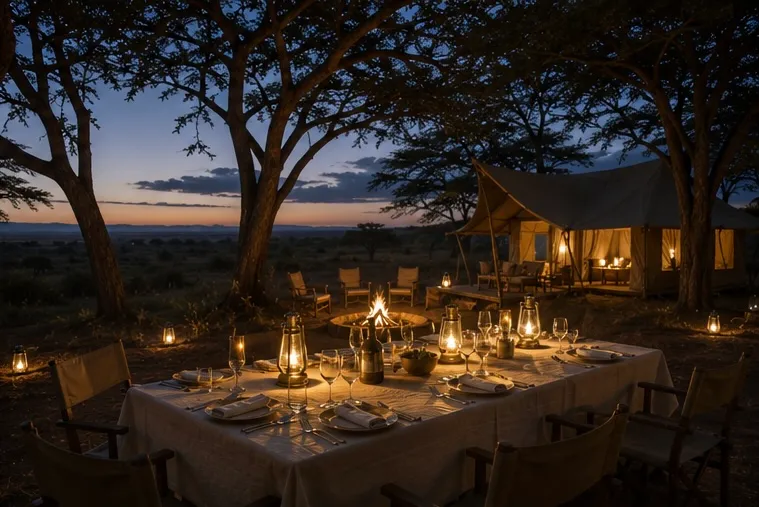
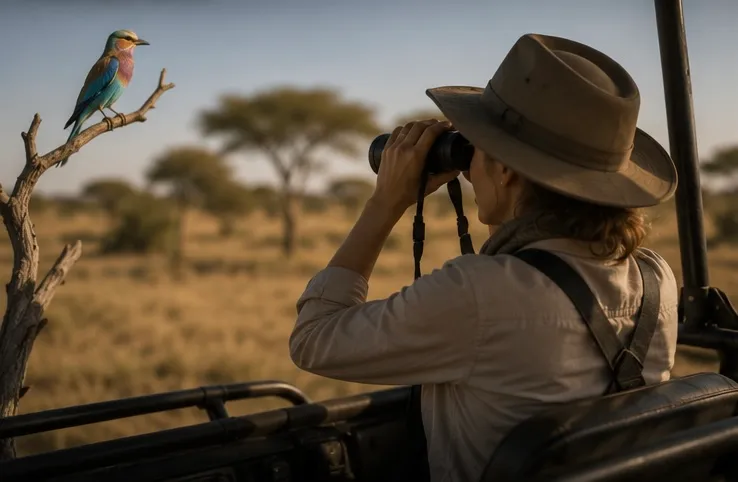
Tanzania, on the routes we run.
Included
- Private vehicle and Highland guide throughout
- Entry and community fees for the places on the route
- Guided walking in the foothills and valleys
- Accommodation and meals on the basis set out in your written itinerary
- Arrival and departure transfers
Not included
- International flights
- Tanzanian visa and any entry requirements
- Travel and medical insurance, which we require
- Optional experiences and personal purchases
- Personal spending and gratuities
Nothing compulsory gets added later. If a cost appears after quoting, it is because you asked for it.
In the design
What the journey is built around
- Your own vehicle and guide, never shared
- A guide from the Kilimanjaro region rather than a driver sent from elsewhere
- Chemka at the hour it is worth going
- Walking in the foothills, on farms and in the valleys
- Accommodation and meals on the basis set out in your written itinerary
Subject to season and to how you want the journey paced — your written itinerary is the version that counts.
Why this shape
Because the mountain has a bottom as well as a top
Kilimanjaro is sold entirely as a summit. Hundreds of thousands of people fly into its shadow every year and see the slopes only through a bus window on the way to a gate.
The southern side of the mountain is farmed, populated and beautiful, and it has been somebody’s home for a very long time. Two days here does more for understanding this place than another day above the treeline.
Questions
Before you ask us
- Is Chemka suitable for children?
- Generally yes, and it is often the day families remember. It is open water with a current in places, so tell your planner the ages and swimming ability of your children and your guide will manage the day around them.
- Can we do this before a Kilimanjaro climb?
- Yes, and it is the better of the two options. The walking is gentle, the foothills sit at a helpful altitude for the first days of adjustment, and it is a far more interesting way to spend the pre-climb days than a hotel.
- Will we see wildlife?
- Very little, and we would rather say so now. This is farmed, populated country. If you want wildlife in the same trip, we will attach a park properly rather than pretend the foothills are one.
The difference
What that actually means in practice
- This is our own ground
- Highland operates out of Moshi, at the foot of this mountain. These are the places our team takes visiting family, which is a different quality of recommendation from a supplier list.
- We choose the hour, not just the day
- Chemka is lovely early and ordinary at noon. Knowing that, and building the day around it, is most of what separates this from the version sold on a hotel noticeboard.
Design decisions
How we built this journey
- Attached to a climb rather than sold alone
- It works hardest in the days a Kilimanjaro itinerary already contains and usually wastes. Sold as a standalone it is a pleasant two days; sold as the front of a climb it changes the whole trip.
- Almost no wildlife
- We could bolt a park onto it. It would add a transfer and dilute the thing that makes these days good, which is that nothing is being chased.
The standards behind it
What protects the experience
Where you stay
Somewhere in the foothills rather than in town, with a garden and a view of the mountain when it clears. Comfortable rather than grand — the point of these days is the country outside the room.
We do not publish a property list, because the right camp depends on your month, your route and your party. Your written proposal names the camps we recommend, the room category and why each was chosen — how we choose them.
Guided by Tanzania knowledge
A local guide from the region, which matters here more than anywhere else in the country: this is our own ground, and the difference between a swim and an afternoon is somebody who grew up on this mountain.
We match a guide to the journey rather than assign one to the booking — the Highland guiding standard.
On safari
- Your own vehicle and guide, never shared with another party
- Responsible viewing distances, and a guide who will refuse a closer approach
- Guides experienced in the specific parks on your route, in the season you travel
- Emergency procedures briefed before you travel, not improvised on the day
- A named planner before you go and a duty phone answered in Moshi while you are away
Investment
What this journey usually costs, and why it moves
Signature Private · $5,000–$9,000 per guest
Private road and short-haul journeys through Tanzania’s iconic wildlife landscapes, with strong guiding and intelligent pacing.
- Travel month
- Migration periods, festive dates and the northern high season carry stronger demand. Shoulder and green seasons can materially reduce the price.
- Accommodation
- The largest single lever. Property, room category, meal and drink basis all change the real operating cost.
- Route and pace
- More nights in fewer places may improve the journey; remote regions cost more to reach and supply.
- Domestic aviation
- Scheduled flights and charters can buy back whole days. They are included only where the product page and confirmed proposal say so.
- Party and rooming
- Vehicle, guide and fixed logistics are divided across the party. Solo travel, single rooms, family rooms and exclusive use change the per-person figure.
- Special experiences
- Balloon flights, private dining, specialist vehicles, walking, boating and marine days are costed when they are genuinely part of the design.
A journey-level planning band, not a quote. The written proposal carries the real number for your dates, rooming, camps, fees, aviation and included experiences.
Yours, not ours
How this changes for you
- Added to the front of a Kilimanjaro expedition for acclimatisation and jet lag
- Added to the back of one as recovery, which is where most guests want it
- Built as a family version with more water and less walking
- Extended with a day in Moshi for the market and the coffee trade
Where this journey goes
Read about the places first
Related journeys
If this one is not quite it
Design your Tanzania journey
Tell us what you imagine — the month, who is travelling and the kind of Tanzania you have in mind. Our planners shape the route, the pace and the experiences around you, and a costed day-by-day plan with named camps comes back within 48 hours.
Begin your private journeySpeak with a Tanzania specialist