




4–6 days · Private · Lake Tanganyika
Mahale Chimpanzee Journey
Forested mountains falling straight into the clearest lake in Africa, and no road in.
Tracking chimpanzees on foot through steep forest in far western Tanzania, and swimming in Tanganyika in the afternoon — the most remote journey Highland runs, and the one guests talk about longest afterwards.
Length
4 to 6 days
Where
Mahale Mountains, western Tanzania
Access
By air, then by boat
On foot
Steep forest, and sometimes for hours
Keep this route
The thinking
The other end of the country, and worth every hour
Mahale is a range of forested mountains on the eastern shore of Lake Tanganyika, in a part of Tanzania almost nobody visits. There is no road in. You fly, then you get in a boat, and the last approach is along a shoreline of white sand beaches under jungle.
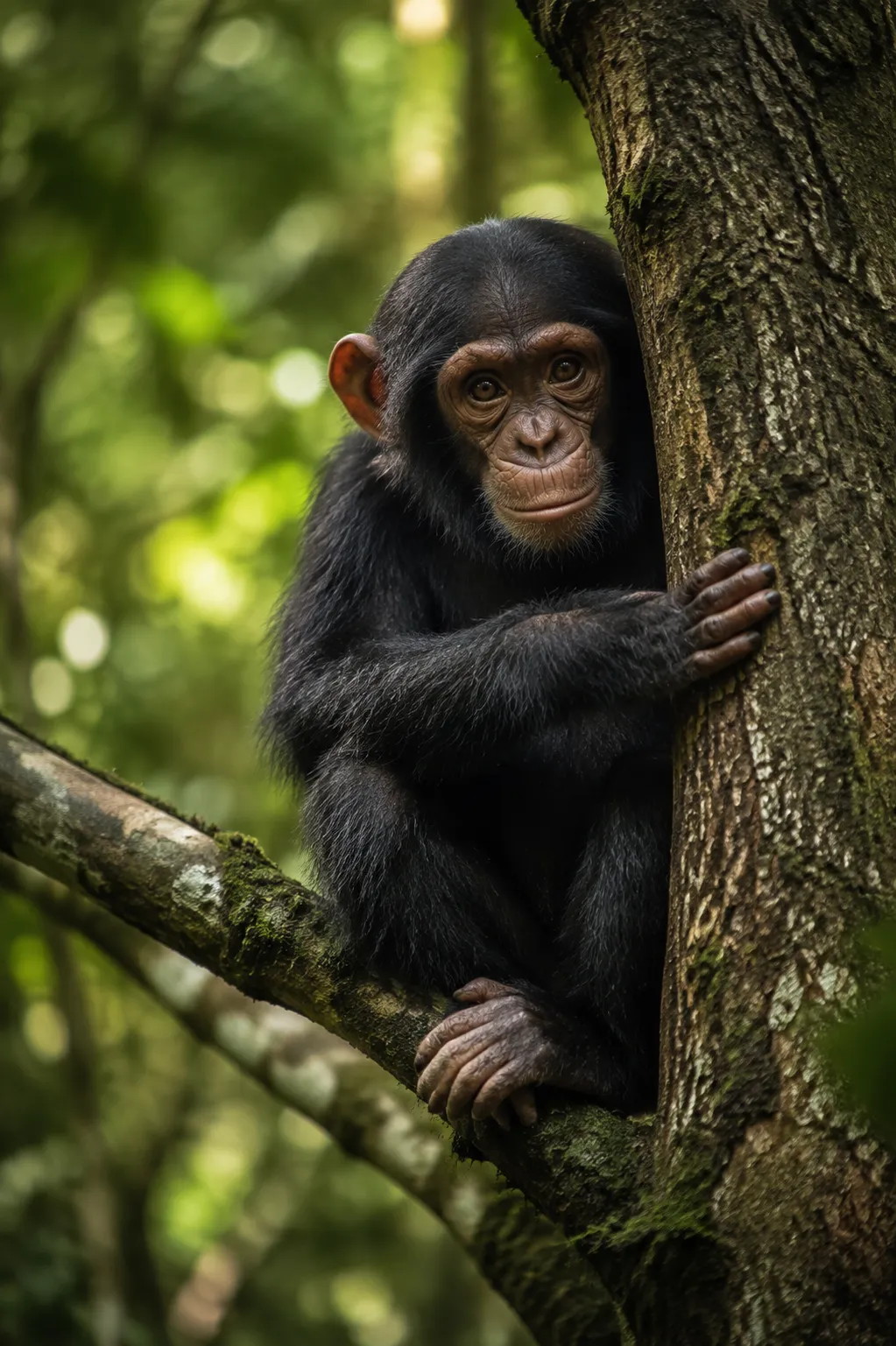
The chimpanzees here have been studied for decades, which is why it is possible to walk into the forest and find them at all. Tracking is on foot, uphill, in humidity, and the length of the morning is decided by where the community has moved.
And then in the afternoon you swim in water clear enough to see fish twenty feet down, with the forest behind you and nothing else on the shore. The combination does not exist anywhere else.
Best for
- Travellers who have done East Africa and want the far end of it
- Anyone drawn to primates rather than plains game
- Reasonably fit walkers comfortable with heat, humidity and gradient
- Guests happy to be genuinely far from everything for several days
Not for
- Travellers with limited mobility — the tracking is steep and unpredictable in length
- Anyone who needs a guaranteed sighting on a fixed day
- A first safari, or a short trip; getting here properly takes time
- Guests who need connectivity, a road out, or a change of plan at short notice
Straight answer
Nobody can promise you chimpanzees.
These are wild, mobile animals in steep forest. Trackers go out ahead, and most days end with time in the company of a habituated community — but some days involve a long climb and no chimpanzees, and that is a real outcome rather than a disclaimer.
Tracking can be hard walking: steep, hot, humid, on rough ground, and open-ended in duration. There are health rules for approaching great apes, including distance and turning back if you are unwell, and they are enforced. Minimum ages apply and vary — your planner will confirm for your party.
Access is seasonal and weather-dependent. The forest is more difficult in the wettest months, which is one of the few places where we will actively steer you toward particular dates.
Day by day
Four to six days at the far edge
Day 1
West, by air
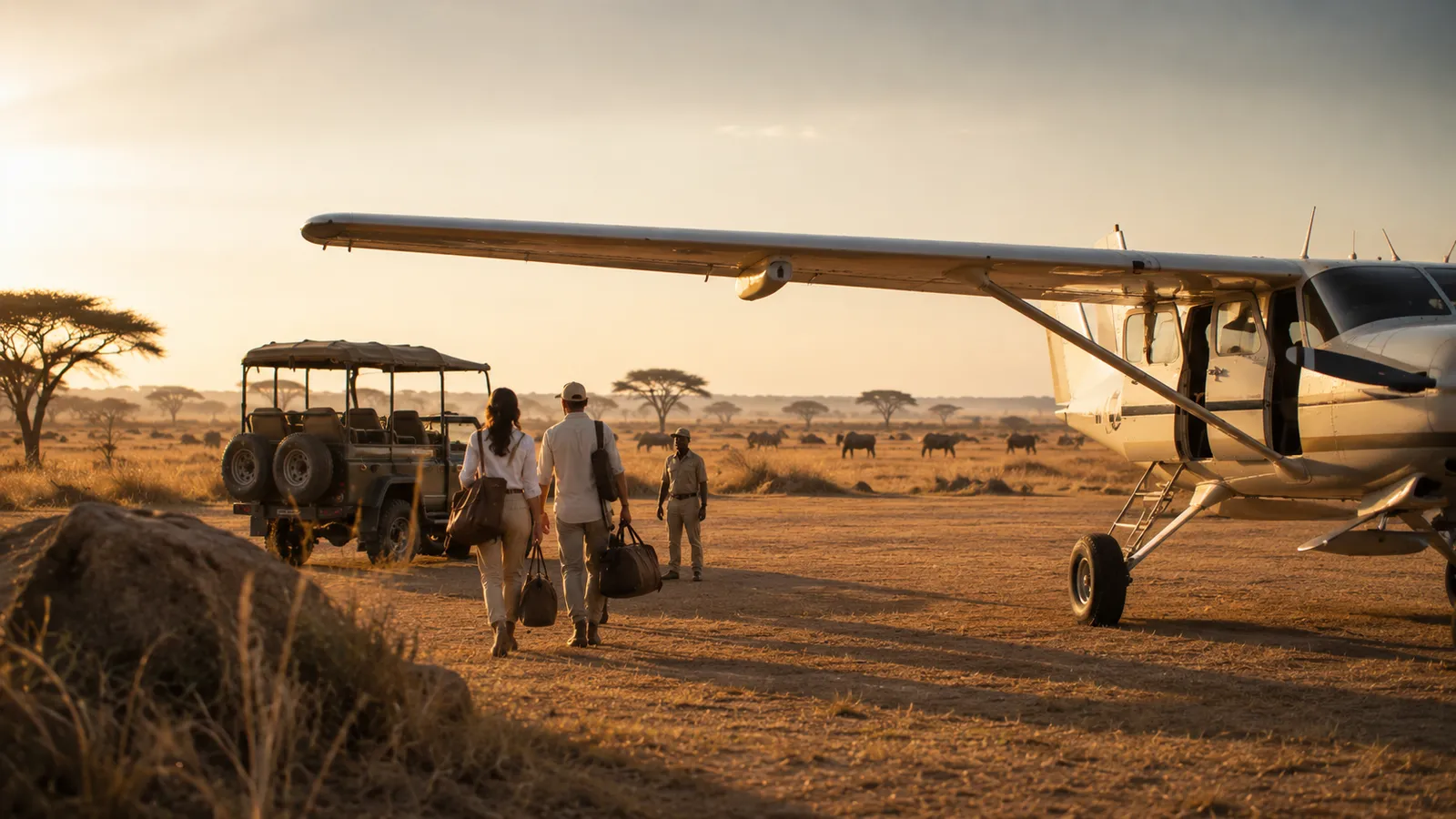
A long flight across the country from the northern circuit or Dar es Salaam, over a Tanzania nobody photographs — miombo woodland, escarpments, rivers, and then the lake, which from the air reads as an inland sea. The last leg is by boat along the shore.
Signature momentThe first sight of Tanganyika from the air, and realising how big it is.
Day 2
Into the forest
Out after breakfast with the park’s trackers, who have usually been ahead of you since first light. The forest is steep and close, the walking is real, and the length of the morning is set by where the chimpanzees are. When you find them, the rules on distance and time apply and are worth the discipline.
Signature momentSitting on a slope while a chimpanzee walks past you as though you were furniture.
Day 3
The lake, and the forest again
A second attempt if you want one, or a slower day: kayaking on flat water, snorkelling for cichlids over the rocks, a walk along the shore, and the kind of afternoon where the only decision is whether to get back in the lake.
Signature momentFloating in Tanganyika looking up at the mountains you were in this morning.
Day 4
Whatever the days have not covered
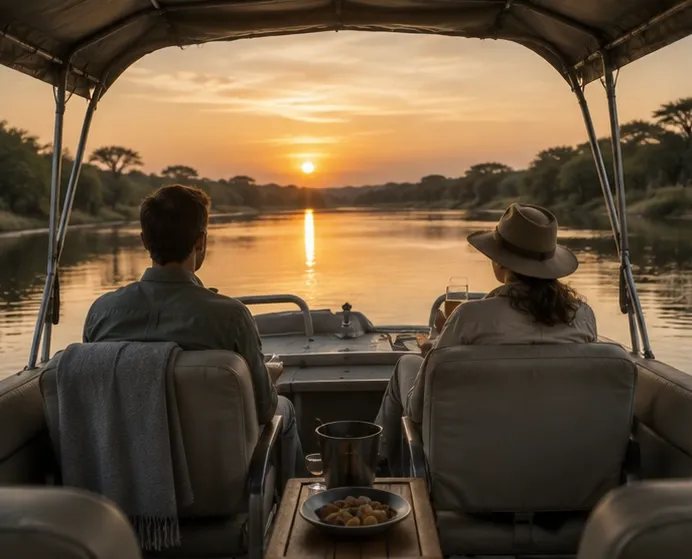
Another tracking morning, a waterfall walk into one of the valleys, or a boat along the shoreline in the late afternoon when the light comes off the water. This is a place where the fourth day is generally the best one, because by then you have stopped travelling.
Signature momentThe lake going flat at sunset with the Congo shore somewhere out beyond it.
Day 5
Out, or on to Katavi
By boat and air back east, or the short hop south to Katavi — which is the pairing we recommend and the reason most guests come this far in the first place.
Signature momentLeaving somewhere that took two days to reach and being glad you did.
Four days is the minimum that justifies the journey west; six makes it unhurried. It is almost always combined with Katavi, and the two together are best treated as one western Tanzania journey rather than two stops. Access, flights and tracking conditions are seasonal — your planner will be direct about which months work.
Tanzania, on the routes we run.
Included
- Internal flights and boat transfers on the route
- Park, conservation and tracking fees for the areas on the route
- Chimpanzee tracking with the park’s trackers
- Accommodation and meals on the basis set out in your written itinerary
- Highland guiding and in-country support throughout
Not included
- International flights
- Tanzanian visa and any entry requirements
- Travel and medical insurance, which we require and which matters more here
- Optional experiences and specialist equipment
- Personal spending and gratuities
Nothing compulsory gets added later. If a cost appears after quoting, it is because you asked for it.
In the design
What the journey is built around
- Flights within Tanzania to reach the west, and boat transfers along the shore
- Chimpanzee tracking with the park’s own trackers
- Time on the lake — swimming, snorkelling, kayaking and boat work
- Highland guiding for the journey as a whole
- Accommodation and meals on the basis set out in your written itinerary
Subject to season and to how you want the journey paced — your written itinerary is the version that counts.
Why this shape
Because this is the trip that ends the argument
Guests who have been on safari in three or four countries ask what is left. This is the answer: a park with no road to it, chimpanzees studied for half a century, and a lake you can see the bottom of.
It is not for a first visit and it is not for everyone. It is the journey Highland is proudest of running, and the one that most clearly separates knowing Tanzania from selling it.
Questions
Before you ask us
- Are we guaranteed to see chimpanzees?
- No. Trackers go out ahead and most days end with time in their company, but they are wild animals in steep forest and some mornings do not find them. Anyone guaranteeing a sighting is guaranteeing something they do not control.
- How hard is the tracking?
- Steep, hot and humid, on rough forest ground, and open-ended — it might be forty minutes or it might be several hours. A reasonable level of fitness is genuinely required. Tell your planner honestly and we will advise rather than sell.
- Is there a minimum age?
- Yes, and it varies by area and by the rules in force. Your planner will confirm for your party before anything is held.
- What is the best time of year?
- The forest is easier and the access more reliable outside the wettest months. This is one of the few journeys where we will push back on your dates, because the difference between a good month and a bad one here is large.
- Should we add Katavi?
- Almost always. The flying required to reach this side of the country only makes sense across one journey, and Mahale and Katavi are completely different experiences half an hour apart by air.
The difference
What that actually means in practice
- We hand the forest to the people who know it
- The tracking is led by the park’s trackers and researchers, who know these individuals by name and history. A safari guide from the north pretending to that knowledge would be worse for you and for the chimpanzees.
- Sold with Katavi, not alone
- Two days of flying for two nights of forest is a poor trade. Paired with Katavi the travel amortises and you get the two most remote parks in the country in one journey.
- We will argue with your dates
- This is one of the few places where season decides whether the journey works. If your months are wrong for the forest, we will say so before you book rather than after.
Design decisions
How we built this journey
- A minimum of three nights on the lake
- Tracking is weather- and movement-dependent. One attempt is a coin toss; three nights turns it into a journey that works even on a bad morning.
- Lake time built in rather than added
- The forest mornings are hard. The afternoons on the water are not a filler — they are half of why this place is extraordinary.
The standards behind it
What protects the experience
Where you stay
There are very few places to stay here and they are all on the beach beneath the forest, reached by boat. What matters is which stretch of shore and how far the morning walk starts from — position rather than category, more than anywhere else we operate.
We do not publish a property list, because the right camp depends on your month, your route and your party. Your written proposal names the camps we recommend, the room category and why each was chosen — how we choose them.
Guided by Tanzania knowledge
Highland guiding for the journey, with the chimpanzee tracking led by the park’s own trackers and researchers, who know these communities individually. That handover is deliberate: nobody else can do that part.
We match a guide to the journey rather than assign one to the booking — the Highland guiding standard.
On safari
- Your own vehicle and guide, never shared with another party
- Responsible viewing distances, and a guide who will refuse a closer approach
- Guides experienced in the specific parks on your route, in the season you travel
- Emergency procedures briefed before you travel, not improvised on the day
- A named planner before you go and a duty phone answered in Moshi while you are away
On the mountain
- Route recommended for your fitness, your days and your acclimatisation needs
- Pacing set by adaptation rather than by the schedule
- Daily monitoring of altitude effects, hydration, fatigue and weather
- Communication systems, evacuation planning and first-aid readiness
- Porter welfare standards: ethical treatment, proper equipment, fair working conditions
On the water
- Established operators, chosen for their record rather than their price
- Weather and tide assessed on the day; excursions moved or cancelled when they should be
- Appropriate equipment and briefing for every activity
- Responsible marine practice around reef and wildlife
Investment
What this journey usually costs, and why it moves
Private Reserve to Grand & Bespoke · $9,000–$16,000+ per guest to $14,000–$20,000+ per guest
Greater privacy, strategic aviation, stronger camp positions and specialist experiences where they materially improve the journey.
Long-form journeys joining safari with remote wilderness, Kilimanjaro or the Indian Ocean—and bespoke work with no useful catalogue price.
- Travel month
- Migration periods, festive dates and the northern high season carry stronger demand. Shoulder and green seasons can materially reduce the price.
- Accommodation
- The largest single lever. Property, room category, meal and drink basis all change the real operating cost.
- Route and pace
- More nights in fewer places may improve the journey; remote regions cost more to reach and supply.
- Domestic aviation
- Scheduled flights and charters can buy back whole days. They are included only where the product page and confirmed proposal say so.
- Party and rooming
- Vehicle, guide and fixed logistics are divided across the party. Solo travel, single rooms, family rooms and exclusive use change the per-person figure.
- Special experiences
- Balloon flights, private dining, specialist vehicles, walking, boating and marine days are costed when they are genuinely part of the design.
A journey-level planning band, not a quote. The written proposal carries the real number for your dates, rooming, camps, fees, aviation and included experiences.
Yours, not ours
How this changes for you
- Combined with Katavi as one western Tanzania journey, which is how we usually build it
- Extended for guests with a serious primate interest
- Attached to a northern circuit safari as the second half of a longer trip
- Built with more lake time and fewer tracking mornings for mixed-fitness parties
Related journeys
If this one is not quite it
Design your Tanzania journey
Tell us what you imagine — the month, who is travelling and the kind of Tanzania you have in mind. Our planners shape the route, the pace and the experiences around you, and a costed day-by-day plan with named camps comes back within 48 hours.
Begin your private journeySpeak with a Tanzania specialist