



3–5 days · Private · Western Tanzania
Katavi Wilderness
A very large national park with almost nobody in it.
Floodplains, hippo pools and buffalo herds in the far west, in a park where you can go a whole day without meeting another vehicle — and where the dry season concentrates wildlife in a way the famous parks no longer do.
Length
3 to 5 days
Where
Katavi, far western Tanzania
Access
By air
Season
Dry months, and we mean it
Keep this route
The thinking
What the famous parks were like before they were famous
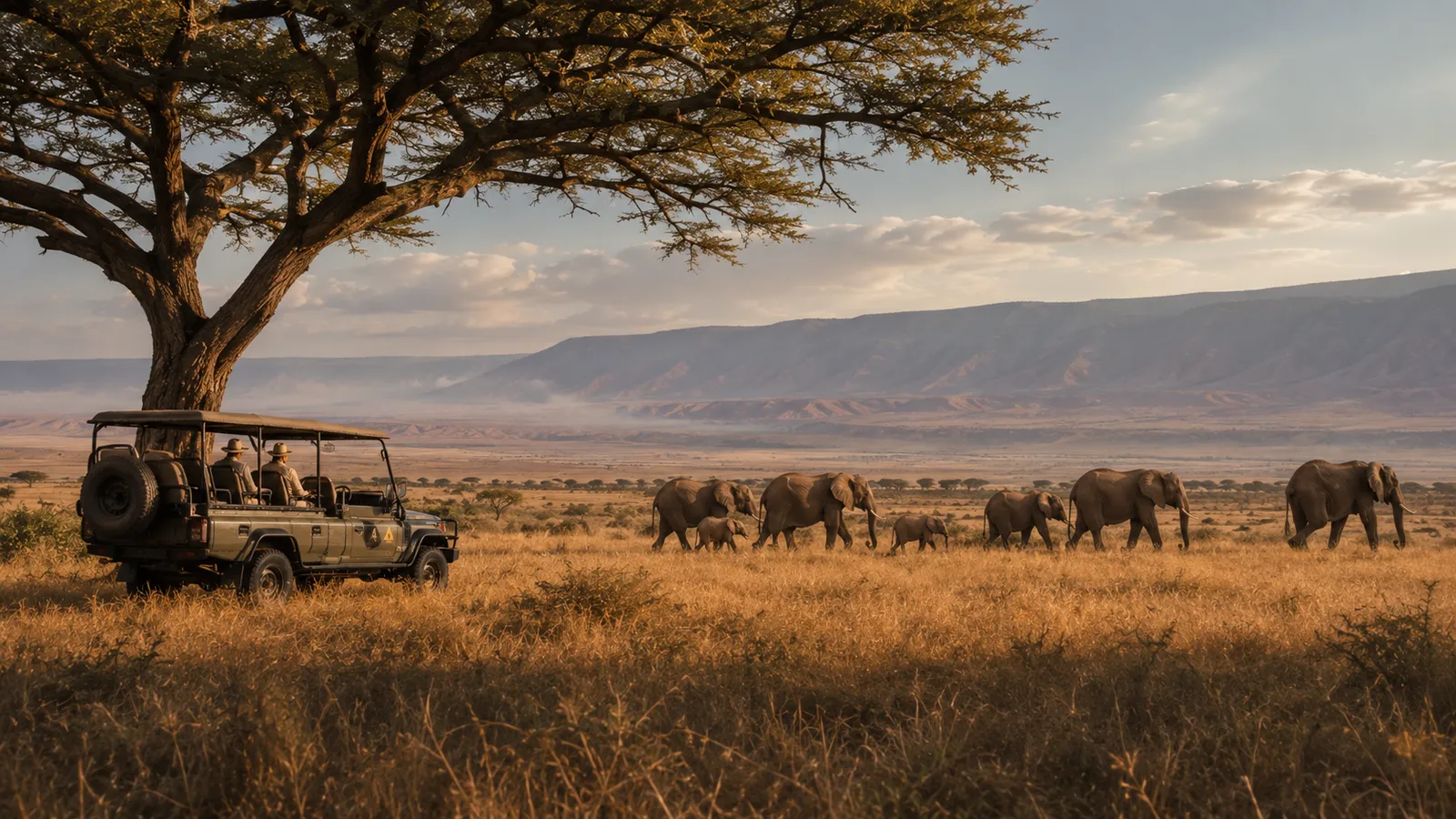
Katavi is one of the largest national parks in Tanzania and among the least visited. In the dry months the floodplains contract to a few pools and channels, and what is left concentrates: hippo packed into shrinking water, crocodile dug into the banks, and buffalo in herds of a size that has become rare elsewhere.
The wildlife here behaves differently because it sees very few vehicles. Sightings are longer, quieter and more uncomfortable in the good way — nobody arrives to share them with you.
This is not a comfortable park and it is not a varied one. It is a concentrated one, and in the right months it is as good as African safari gets.
Best for
- Repeat safari travellers who have started to mind the vehicles
- Guests who want density and drama rather than variety
- Anyone already going to Mahale
- Travellers comfortable with simple camps in exchange for extraordinary emptiness
Not for
- Green-season travellers — this is a dry-season park and we will say so
- A first safari, where the northern circuit does more for you
- Guests expecting northern-circuit camp comfort
- Anyone who needs a short flight and an easy exit
Straight answer
The season is not a preference here. It is the journey.
Katavi in the dry months is exceptional. Katavi in the wet is green, dispersed, difficult to move around and, for most guests, not worth the flights. We will tell you that before you book rather than take the booking and hope.
The camps are modest. If you are coming from a northern-circuit itinerary, expect a step down in the room and a very large step up in what is outside it.
It is a long way. The flying is not incidental, which is why we build it with Mahale rather than as a stop.
Day by day
Three to five days in the far west
Day 1
In by air
Across to the west and into a park that takes a while to comprehend from the air. The first afternoon is usually enough to establish the thing everyone notices first, which is the absence of anyone else.
Signature momentThe first drive, and the road behind you staying empty.
Day 2
The floodplains
Out onto the plains, where in the dry months the grass is cropped short and the game sits in the open. Buffalo herds, elephant on the treelines, and the whole day arranged around the water that is left. Your guide works the pressure rather than the checklist.
Signature momentA buffalo herd crossing in front of you for a length of time that becomes absurd.
Day 3
The hippo pools
What Katavi is known for. As the water contracts, hippo pack into what remains at a density that has to be seen rather than described, and the tension in the pools is constant. Crocodile dug into the banks nearby, and every predator in the area aware of exactly where the food is.
Signature momentThe noise of a hippo pool at close quarters, which nobody is prepared for.
Day 4
Deeper, and on foot where it is permitted
A longer day into a further corner of the park, with a picnic somewhere with nothing in any direction. Where walking is permitted and conditions allow, an hour on foot changes the scale of the place entirely.
Signature momentLunch in the middle of a park the size of a small country, alone.
Day 5
North to Mahale, or east
The short hop to Mahale for the second half of a western journey, or the long flight back across the country. Most guests do the former, and should.
Signature momentTrading the floodplain for a forest and a lake in under an hour.
Three days is the working minimum, four is better, and five is right if you are already this far west. It is almost always paired with Mahale. Which months are worth flying for is a conversation we will have before you book, and we will be blunt about it.
Tanzania, on the routes we run.
Included
- Internal flights on the route
- Private vehicle and Highland guide throughout
- Park and conservation fees for the areas on the route
- Accommodation and meals on the basis set out in your written itinerary
- In-country support throughout
Not included
- International flights
- Tanzanian visa and any entry requirements
- Travel and medical insurance, which we require
- Optional experiences and specialist equipment
- Personal spending and gratuities
Nothing compulsory gets added later. If a cost appears after quoting, it is because you asked for it.
In the design
What the journey is built around
- Internal flights to reach the western parks
- Your own vehicle and guide, never shared
- Full days rather than the morning-and-afternoon template, because the park is large
- Walking where it is permitted and conditions allow
- Accommodation and meals on the basis set out in your written itinerary
Subject to season and to how you want the journey paced — your written itinerary is the version that counts.
Why this shape
Because there is still somewhere with nobody in it
The complaint we hear most often from experienced safari travellers is about other vehicles. It is a fair complaint and it is not fixable in the famous parks, whatever anyone tells you at booking.
Katavi is the honest answer. It costs more to reach, the rooms are plainer, the season is narrow, and in exchange you get a national park to yourself. We would rather sell that trade openly than sell exclusivity somewhere it no longer exists.
Questions
Before you ask us
- When should we go?
- The dry months, without much qualification. The concentrations that make Katavi worth the flights only happen as the water contracts. We will tell you if your dates are wrong for it.
- How does it compare to the Serengeti?
- Less variety, far fewer vehicles, and considerably more drama around water. It is not a better first safari — it is a better fourth one.
- Are the camps comfortable?
- Modest, by the standards of the northern circuit. Well run and well positioned, but this is not where you come for the room.
- Can we walk?
- Where it is permitted and conditions allow. It is not available everywhere or every day, and your guide makes that call on the ground.
The difference
What that actually means in practice
- We will refuse the wrong month
- A wet-season Katavi booking is a lot of money and flying for a park that is not doing the thing it is famous for. Saying so costs us the sale and saves the journey.
- Full days, not two drives
- The park is enormous and the interesting parts are not near the airstrip. A picnic and a full day out is the only way to use it, and it is only possible because the vehicle is yours.
- Western guides for western parks
- Katavi rewards knowing which pools are holding water this month. That is not transferable from the Serengeti, so we do not pretend it is.
Design decisions
How we built this journey
- Built with Mahale as one journey
- The flying only justifies itself across both. Sold separately, each is a long way to go for three nights.
- Camps chosen for water, not for comfort
- In a dry-season park the distance between your bed and the water is the single variable that decides the safari.
The standards behind it
What protects the experience
Where you stay
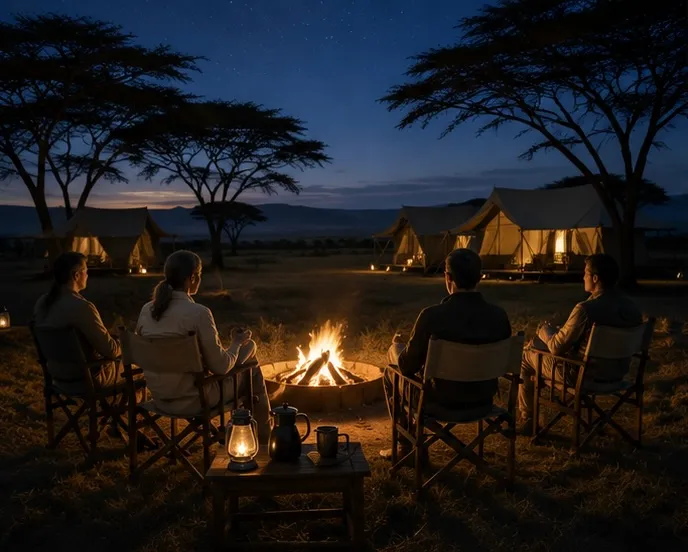
A small number of camps, all of them modest by northern-circuit standards and all of them chosen for where they sit relative to the water. In a park this size, position is the entire product.
We do not publish a property list, because the right camp depends on your month, your route and your party. Your written proposal names the camps we recommend, the room category and why each was chosen — how we choose them.
Guided by Tanzania knowledge
A guide who has worked the western parks specifically. Katavi in the dry season is about reading water and pressure — which pool is holding, where the buffalo will move — and that is local knowledge, not general safari competence.
We match a guide to the journey rather than assign one to the booking — the Highland guiding standard.
On safari
- Your own vehicle and guide, never shared with another party
- Responsible viewing distances, and a guide who will refuse a closer approach
- Guides experienced in the specific parks on your route, in the season you travel
- Emergency procedures briefed before you travel, not improvised on the day
- A named planner before you go and a duty phone answered in Moshi while you are away
Investment
What this journey usually costs, and why it moves
Private Reserve to Grand & Bespoke · $9,000–$16,000+ per guest to $14,000–$20,000+ per guest
Greater privacy, strategic aviation, stronger camp positions and specialist experiences where they materially improve the journey.
Long-form journeys joining safari with remote wilderness, Kilimanjaro or the Indian Ocean—and bespoke work with no useful catalogue price.
- Travel month
- Migration periods, festive dates and the northern high season carry stronger demand. Shoulder and green seasons can materially reduce the price.
- Accommodation
- The largest single lever. Property, room category, meal and drink basis all change the real operating cost.
- Route and pace
- More nights in fewer places may improve the journey; remote regions cost more to reach and supply.
- Domestic aviation
- Scheduled flights and charters can buy back whole days. They are included only where the product page and confirmed proposal say so.
- Party and rooming
- Vehicle, guide and fixed logistics are divided across the party. Solo travel, single rooms, family rooms and exclusive use change the per-person figure.
- Special experiences
- Balloon flights, private dining, specialist vehicles, walking, boating and marine days are costed when they are genuinely part of the design.
A journey-level planning band, not a quote. The written proposal carries the real number for your dates, rooming, camps, fees, aviation and included experiences.
Yours, not ours
How this changes for you
- Paired with Mahale as one western Tanzania journey, which is how we usually build it
- Extended for guests who want the emptiness rather than the itinerary
- Attached to a northern circuit trip as a second, contrasting chapter
- Built around walking where permitted, for guests who want time out of the vehicle
Related journeys
If this one is not quite it
Design your Tanzania journey
Tell us what you imagine — the month, who is travelling and the kind of Tanzania you have in mind. Our planners shape the route, the pace and the experiences around you, and a costed day-by-day plan with named camps comes back within 48 hours.
Begin your private journeySpeak with a Tanzania specialist